



The right bathroom vanity size mainly depends on the available wall width, the free space around the vanity, and the amount of storage space you need. A compact 60 cm bathroom vanity can work excellently in a small bathroom, while 80 or 100 cm provides more countertop and storage space, and a vanity of 120 cm or wider becomes an appealing option for a spacious bathroom.
Measuring only the wall width is therefore not enough. Doors, drawers, walking space, connections, and the position of the mirror also play a role. In this article, we explain step by step how to determine which bathroom vanity size best suits your bathroom.
Why is the right bathroom vanity size important?
A bathroom vanity occupies a central place in the bathroom. You use it every day for washing, brushing your teeth, grooming, and storing items. If the vanity is too large, the passage can become unnecessarily narrow, or drawers and doors may not open fully.
A vanity that is too small provides less work and storage space than needed. Therefore, it is wise not to automatically choose the largest size that technically fits against the wall, but to consider how the entire space will be used.
Would you first like to see which sizes, colors, and designs are available? Then view the complete bathroom vanity collection from WDTegels.com.
How do you determine the right size bathroom vanity?
Start by accurately measuring the wall where the vanity will be hung or placed. Do not measure only from wall to wall; also check whether skirting boards, pipes, sockets, radiators, or other components limit the usable space.
Then literally walk through the bathroom and consider how much space you need in front of the vanity. Especially in a compact bathroom, a difference of 20 cm can be noticeable in daily use.
- Measure the available wall width accurately.
- Check the position of the water supply and drain.
- Leave enough space for passage.
- Check whether the doors and drawers can open fully.
- Determine how much storage space you need on a daily basis.
- Choose between a single sink, a wide sink, or a double-sink setup.
- Match the width of the mirror or mirrored cabinet to the vanity.
Also always check the product’s full dimensions. A bathroom vanity is often specified by its width, but its depth and height are important too. The depth in particular determines how far the vanity extends into the bathroom and how much walking space remains.
60 cm Bathroom Vanity for a Small Bathroom
A 60 cm bathroom vanity is especially suitable when the available wall space is limited. With a width of 60 cm, you get a full-sized basin area without the vanity taking up a large part of the bathroom.
This size works well in smaller bathrooms and can also be interesting if you deliberately want to retain more free space around the shower, bath or toilet. At WDTegels.com, various designs are available in this size, including light and dark wood tones, white and black.
When space is limited, do not look only at the width. A shallower vanity can make more difference in some bathroom layouts than a few centimetres less width.
80 cm bathroom vanity: compact with more usable space
An 80 cm bathroom vanity offers more space around the sink and in the drawers, while its size remains well proportioned in many bathrooms. It is therefore a practical intermediate size for those who find 60 cm somewhat limited but do not need a wide 100 or 120 cm vanity.
A specific example from the collection is the Monaco 80 cm bathroom vanity in light oak with black basin. This vanity has soft-closing drawers and doors and combines the warm wood colour with a dark basin. This immediately shows how much not only the size, but also the colour combination, affects the appearance of the vanity.
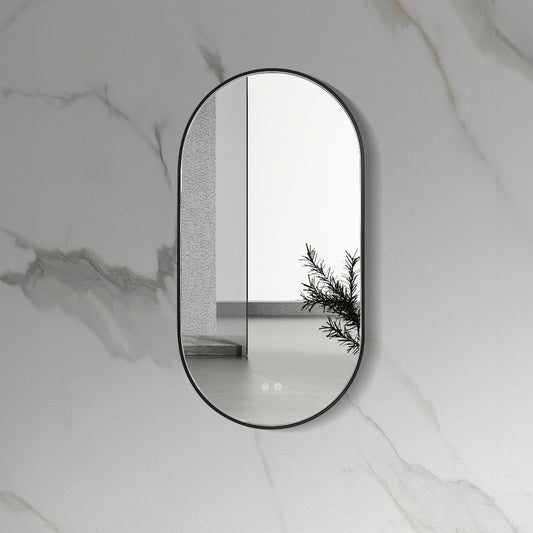
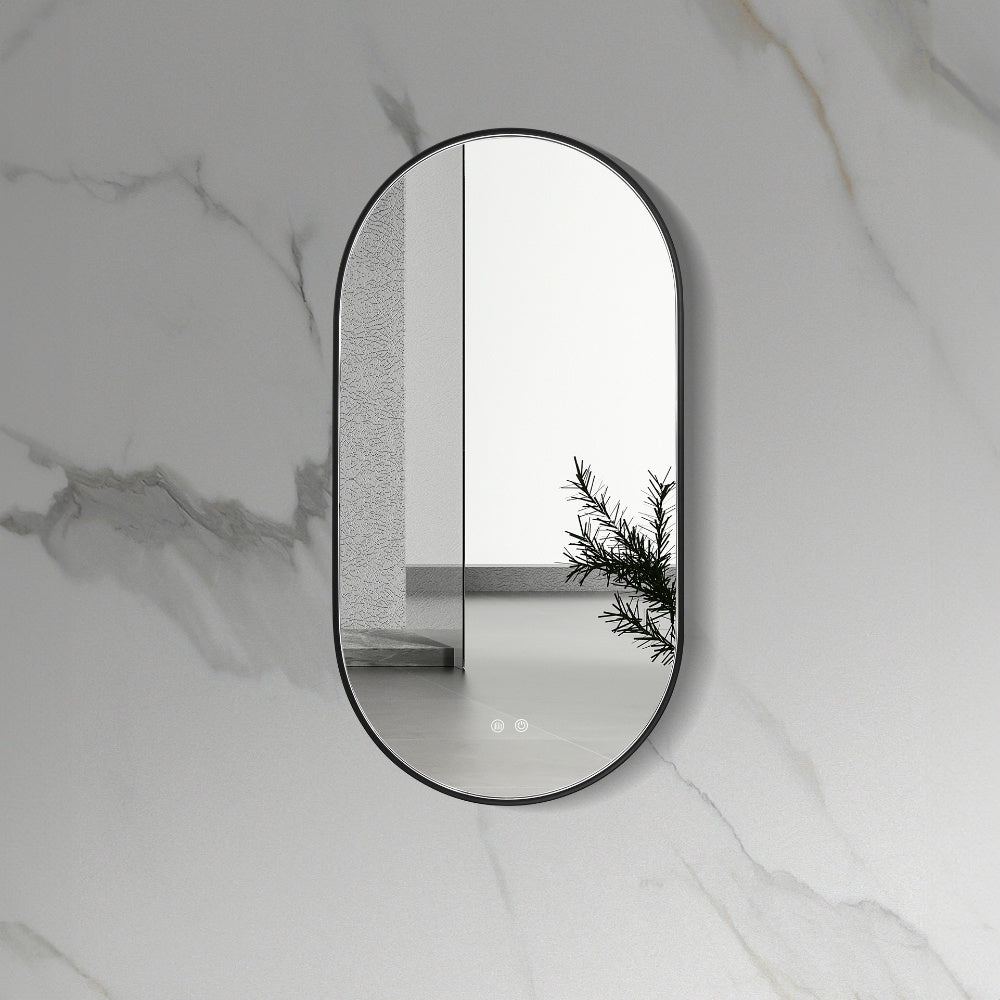
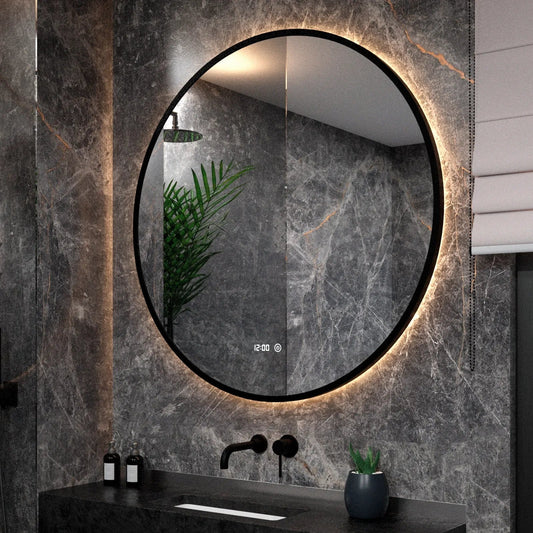
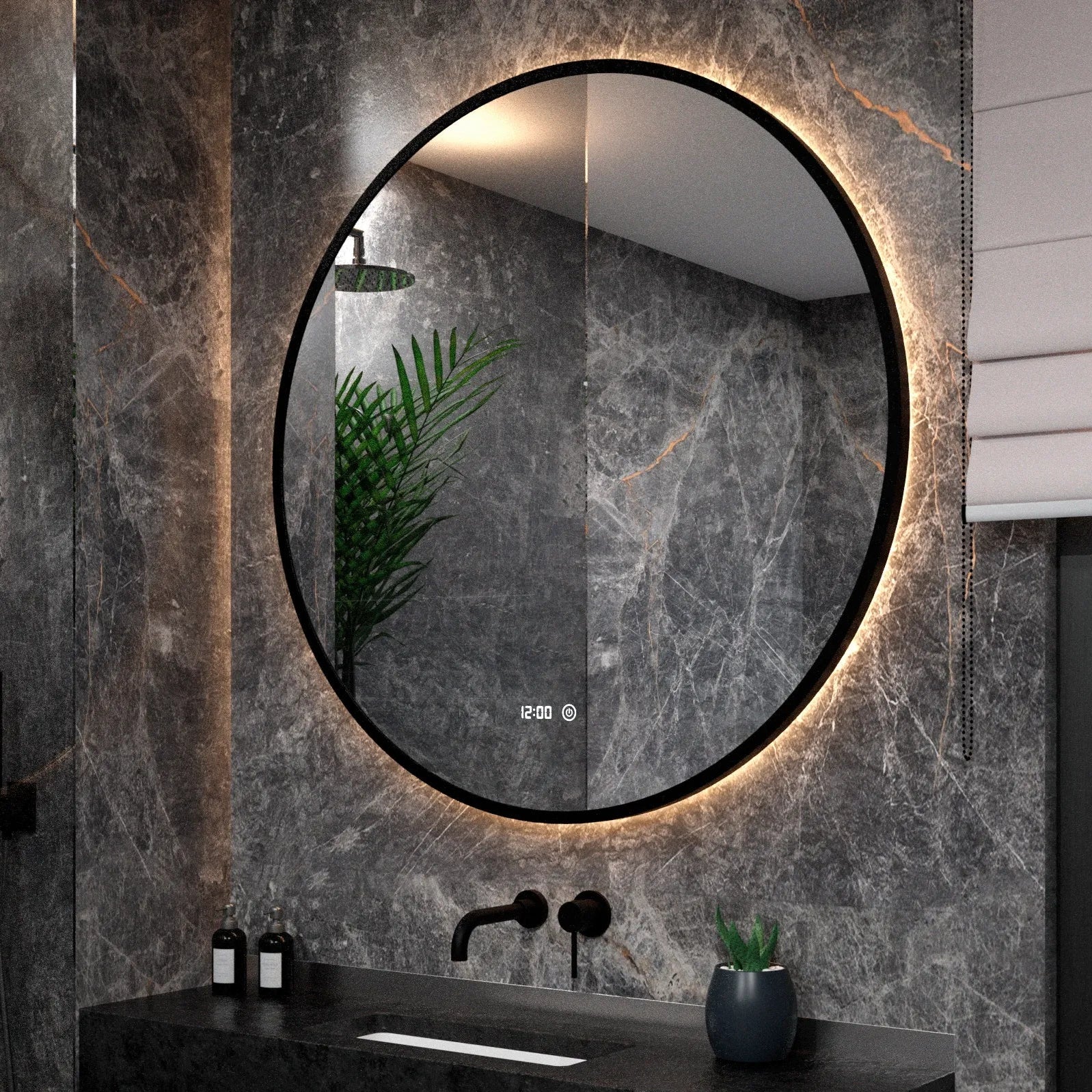
An 80 cm vanity is also easy to combine with a mirror of approximately the same width. If you want to make the wall appear larger, you can also choose a different shape depending on the available space, such as a round or oval mirror.
100 cm bathroom vanity for extra counter and storage space
If you have a little more wall space available, a 100 cm bathroom vanity offers considerably more room to move around the sink. The drawers are also often wider, making it easier to store towels, toiletries and other everyday items in an organised way.
This size works well in medium-sized and larger bathrooms where the vanity can play a more prominent role in the interior. The current collection includes various designs in white, black, grey and several oak tones, among others.
With a width of 100 cm, pay close attention to the layout of the sink. Some models have one central basin, while others may have two tap holes or a different layout. Therefore, always check the specific product information if you want to use the vanity with two people.
When should you choose a 120 cm or larger bathroom vanity?
A bathroom vanity measuring 120 cm or wider provides considerably more space for both personal care and storage. This size is particularly suitable when the bathroom is wide enough and comfortable passage space remains after installation.
A current example is the Tieme bathroom vanity 120x50x48 cm in matte black with white washbasin. This model has soft-close drawers and a handleless design. With a depth of 50 cm, it immediately becomes clear why, besides the width, it is important to check how far the vanity extends into the room. :contentReference[oaicite:1]{index=1}
For even more spacious bathrooms, there are also bathroom vanities measuring, for example, 140 cm. For this, view the 140 cm bathroom vanities collection. With such wide vanities, you can create more storage space and, depending on the selected model and washbasin, arrange them for use by two people.
One or two washbasins?
The choice between one or two washbasins depends not only on the width of the vanity. Above all, consider how the bathroom is used in practice. If two people regularly get ready at the same time, a double setup can be convenient.
In a compact bathroom, one generously sized washbasin may actually be more practical. You will have more counter space and often need fewer taps, siphons, and connections.
Therefore, check how the washbasin is designed for each product. The bathroom vanities with washbasin collection includes complete combinations in various widths. The current range includes, among others, 60, 80, 100, and 120 cm. :contentReference[oaicite:2]{index=2}
Storage space: look beyond width alone
A wide bathroom vanity usually offers more storage space, but the internal layout is at least as important. Wide drawers are useful for towels, personal-care products, and hair dryers, while multiple drawers make it easier to store small items separately.
Therefore, check how the drawers or cabinet sections are divided and take the siphon beneath the washbasin into account. It can affect the usable space in an upper drawer.
Would you like extra storage space without installing an even wider cabinet? Then a bathroom tall cabinet is a practical addition. Its tall, narrow shape makes use of the wall’s vertical space while requiring relatively little floor or wall width. WDTegels.com offers tall cabinets in various sizes, colors, and designs. :contentReference[oaicite:3]{index=3}
Washbasin cabinet or complete bathroom furniture set?
When comparing bathroom cabinets, it is important to check exactly what is included in the product. Some items consist of a base cabinet with washbasin, while a complete set may contain multiple components.
In the washbasin cabinet collection, you will find various standalone and combined designs. If you would rather purchase multiple components as a set, you can also view the bathroom furniture sets. Always check what is actually included with each product. :contentReference[oaicite:4]{index=4}
This prevents you from assuming that, for example, a mirror, tap, siphon, or drain plug is included as standard when this is not the case for the specific model.
Which mirror suits the size of your bathroom cabinet?
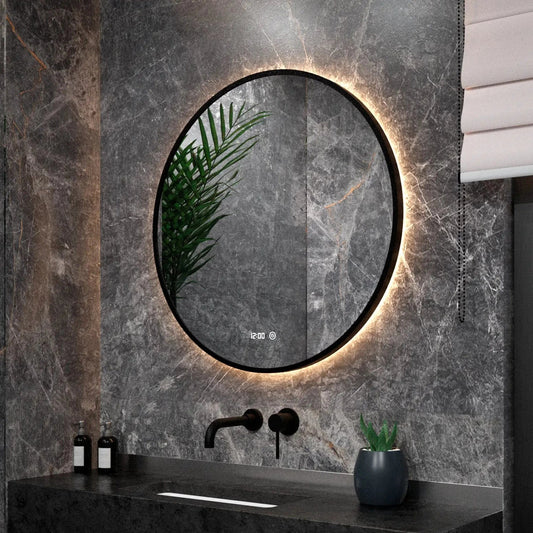
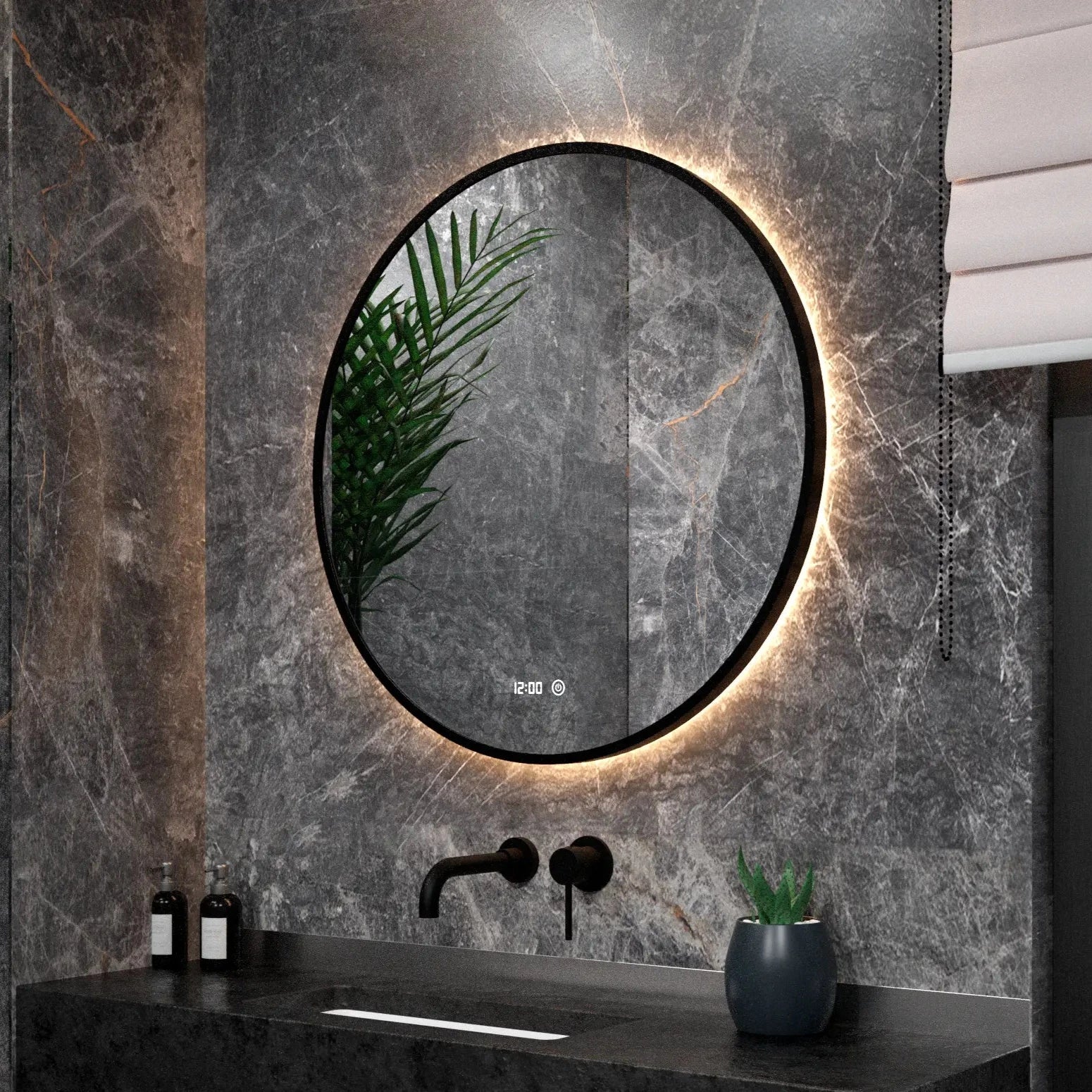
The mirror has a major influence on how wide the bathroom cabinet ultimately appears. A mirror that roughly matches the width of the cabinet often creates a balanced look, while a different shape can add more contrast.
For an 80 cm bathroom cabinet, for example, you could consider a mirror of approximately 80 cm, but this is not a fixed rule. The available wall space, lighting, and position of other elements ultimately determine which proportion looks best and is most practical.
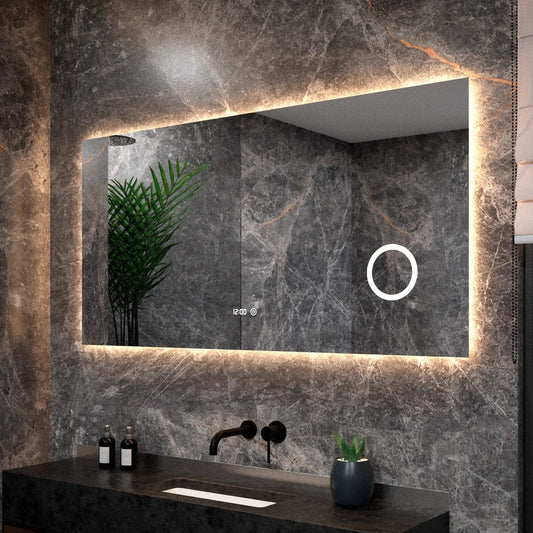
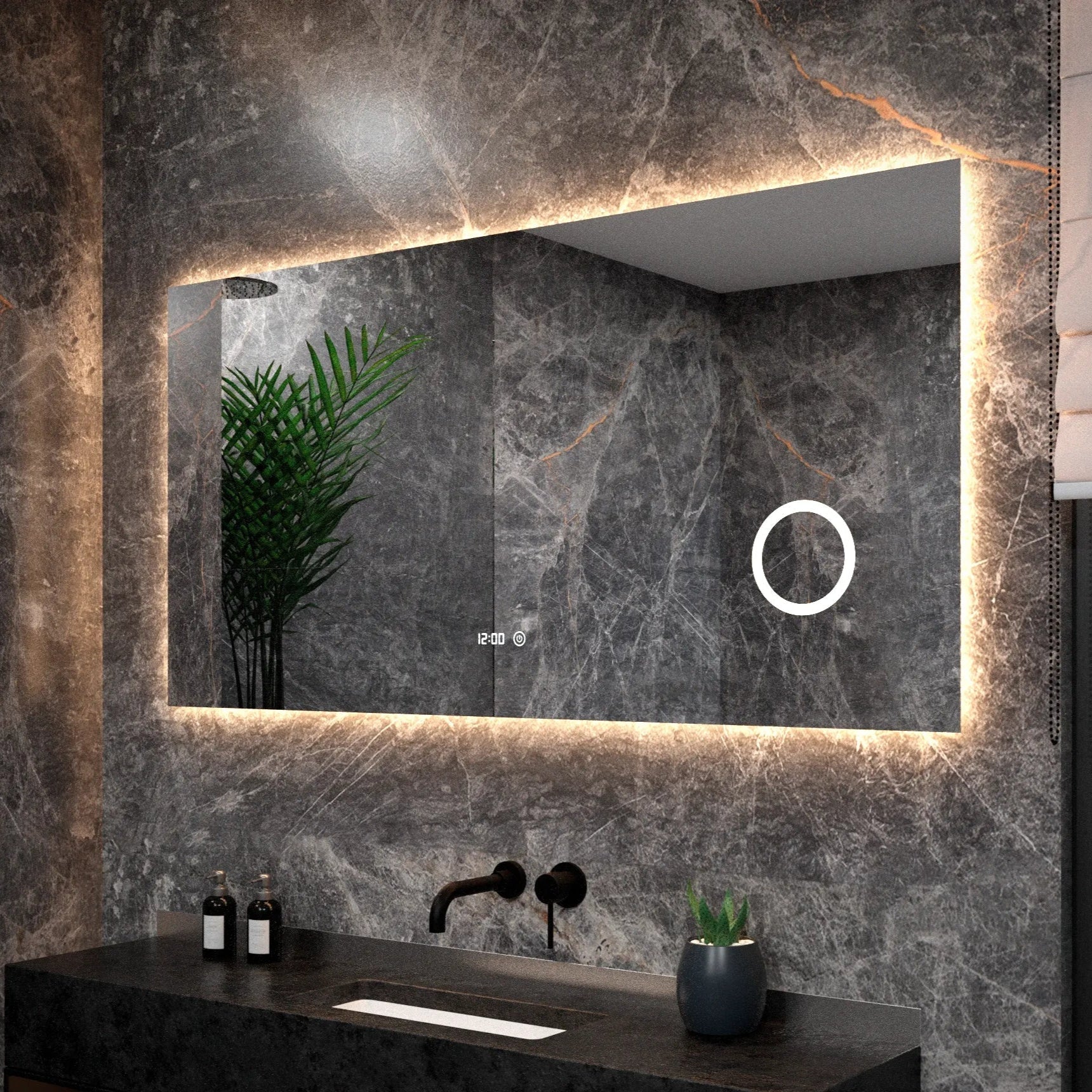
View the bathroom mirrors collection to compare different sizes, shapes, and designs. The range includes rectangular, square, and other shapes, with models featuring functions such as LED lighting. :contentReference[oaicite:5]{index=5}
How much clearance do you need?
When measuring, people often focus mainly on the available wall space, while the space in front of the cabinet is just as important. You need to be able to stand comfortably in front of the washbasin and open a drawer or door without immediately hitting a shower wall, toilet, or another cabinet.
Test this in advance if possible. For example, use painter’s tape to mark the width and depth of the future cabinet on the floor or wall. This gives you a better sense of the size than looking only at figures on a product page.
This is especially important when you are unsure between two sizes. The difference between 80 and 100 cm may seem limited on paper, but it can be clearly noticeable in a small bathroom.
Common mistakes when choosing the size
A common mistake is choosing the widest vanity that fits exactly against the available wall. It may fit technically, but that does not mean the bathroom will then be comfortable to use.
The depth is also regularly underestimated. A vanity that is 50 cm deep takes up more walking space than a compact model, even when both have the same width. Therefore, always consider the width, height and depth.
Another mistake is waiting until after the purchase to think about the mirror, tap or connections. It is better to determine these components as a whole. This prevents the drain from ending up in the wrong place, the mirror from not fitting neatly above the vanity or the tap from not connecting to the chosen washbasin.
Conclusion: which size bathroom vanity suits your bathroom?
A 60 cm bathroom vanity is particularly suitable when you want to use the available space efficiently. An 80 cm vanity gives you a little more comfort and storage space, while 100 cm becomes appealing when you want more workspace around the washbasin. A vanity of 120 cm or larger is mainly suited to more spacious bathrooms.
However, the best size is not automatically the largest one that fits against your wall. Always check the full dimensions, passageway, drawer and door clearance, connections, desired storage space and the position of the mirror.
Would you like to compare the different options? Then view all bathroom vanities at WDTegels.com and compare the sizes, colours and designs that suit your bathroom.
Frequently asked questions about bathroom vanity sizes
Which size bathroom vanity fits in a small bathroom?
A 60 cm bathroom vanity is often a logical size for a smaller bathroom, as it creates a fully functional washbasin area without using much wall width. However, you should also consider the vanity’s depth. In a narrow bathroom, a shallower model can sometimes be more important than a few centimetres of difference in width.
Is an 80 cm bathroom vanity large enough?
For many bathrooms, 80 cm offers a good combination of usable space and a relatively compact size. You get more space around the washbasin and generally more storage than with a 60 cm vanity. Always measure the available wall space and passageway before deciding whether 80 cm will also work comfortably in your specific bathroom.
When should you choose a 100 cm bathroom vanity?
A 100 cm bathroom vanity is a good choice when you want more countertop and storage space and have enough wall width available. This size works especially well in medium-sized and larger bathrooms. Also check the washbasin layout if you want to use the vanity with multiple people.
From what size can you install two washbasins?
There is no fixed minimum width, as this depends on the specific unit and washbasin. With wider units from approximately 100 to 120 cm, solutions for two taps or double washbasins are more common, but you should always check this for the product selected. The available space between both users also determines whether a double setup is actually comfortable.
Do you need to take the drawers of the bathroom unit into account?
Yes. A unit may fit exactly in terms of its external dimensions but still be impractical if a drawer hits a shower screen, door, or another component. Therefore, also measure the clear space in front of the unit and check how far drawers or doors extend when fully opened.
How much space should be left around a bathroom unit?
There is no standard size that is automatically suitable for every bathroom. The important thing is that you can stand comfortably in front of the unit, use the drawers fully, and keep other parts of the bathroom accessible. Therefore, preferably test the dimensions in advance in the room, for example by marking out the outlines with masking tape.
Does the mirror have to be the same width as the bathroom furniture?
No, that is not a hard-and-fast rule. A mirror that is approximately the same width as the unit often creates a calm and balanced look, but a round, oval, or deliberately smaller mirror can create an interesting contrast. Above all, consider the wall space, lighting, and any tall cabinets next to the unit.
Can I add extra storage space without choosing a wider unit?
Yes. A tall cabinet is a practical solution because it makes use of the bathroom’s vertical space. This allows you to store extra towels, toiletries, and other items without making the washbasin unit itself wider.
What should I measure besides the width?
Also check the depth and height of the bathroom furniture, the position of the water supply and drain, and the available space in front of the unit. Also consider doors, shower screens, radiators, and other fixed elements. This prevents the unit from fitting against the wall but obstructing the layout in practice.
What is the difference between a washbasin unit and a bathroom furniture set?
It depends on how the specific product is offered. A washbasin unit often consists of a base cabinet and washbasin, while a bathroom furniture set may consist of several matching components. Always check the product description, as a mirror, tap, siphon, or drain plug is not automatically included with every set.


