

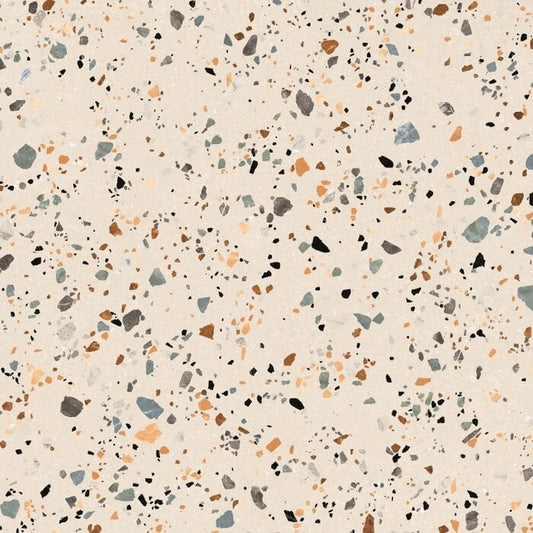
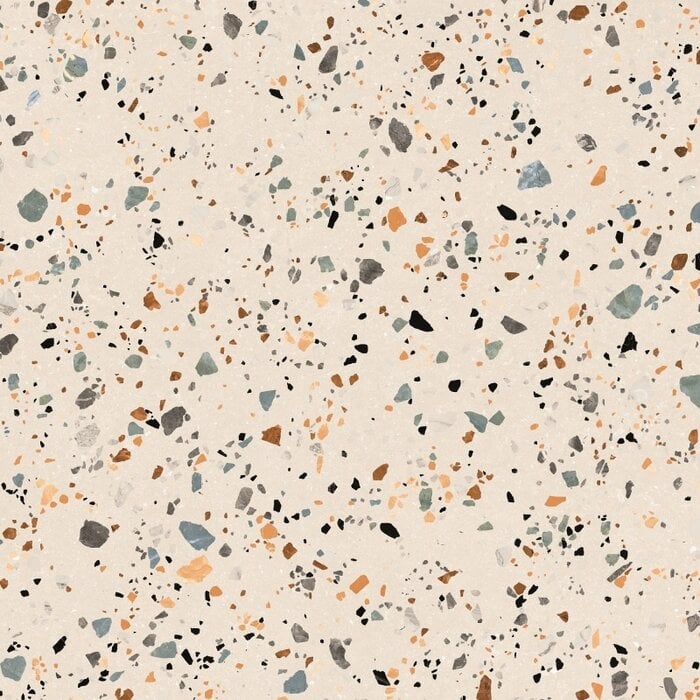
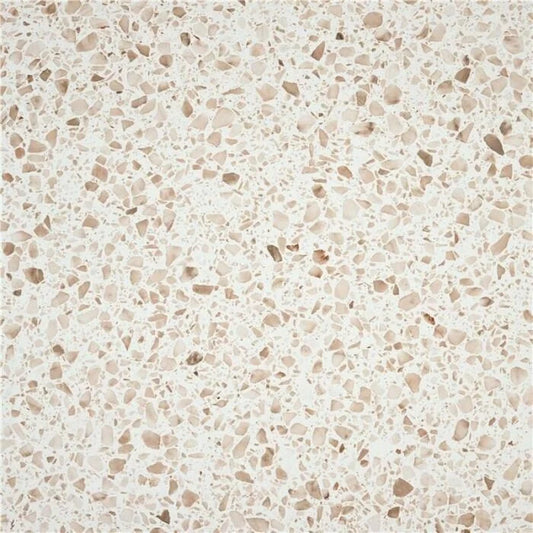
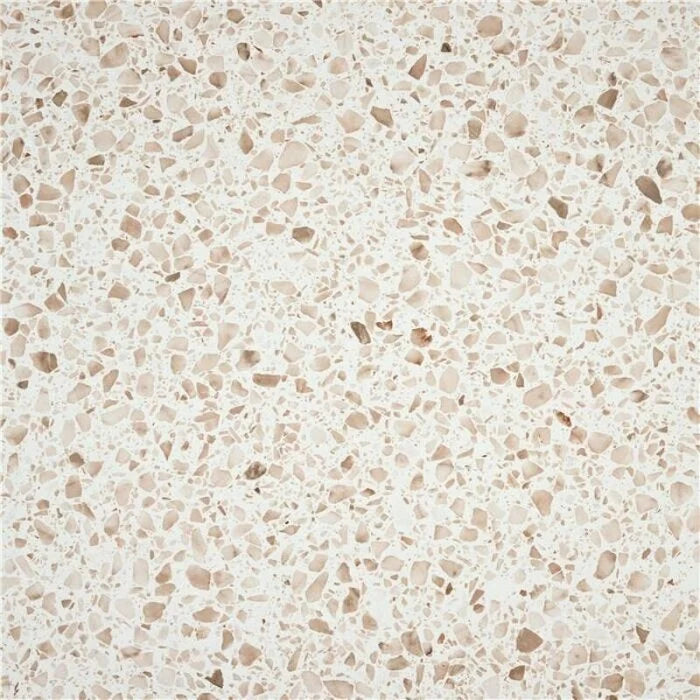


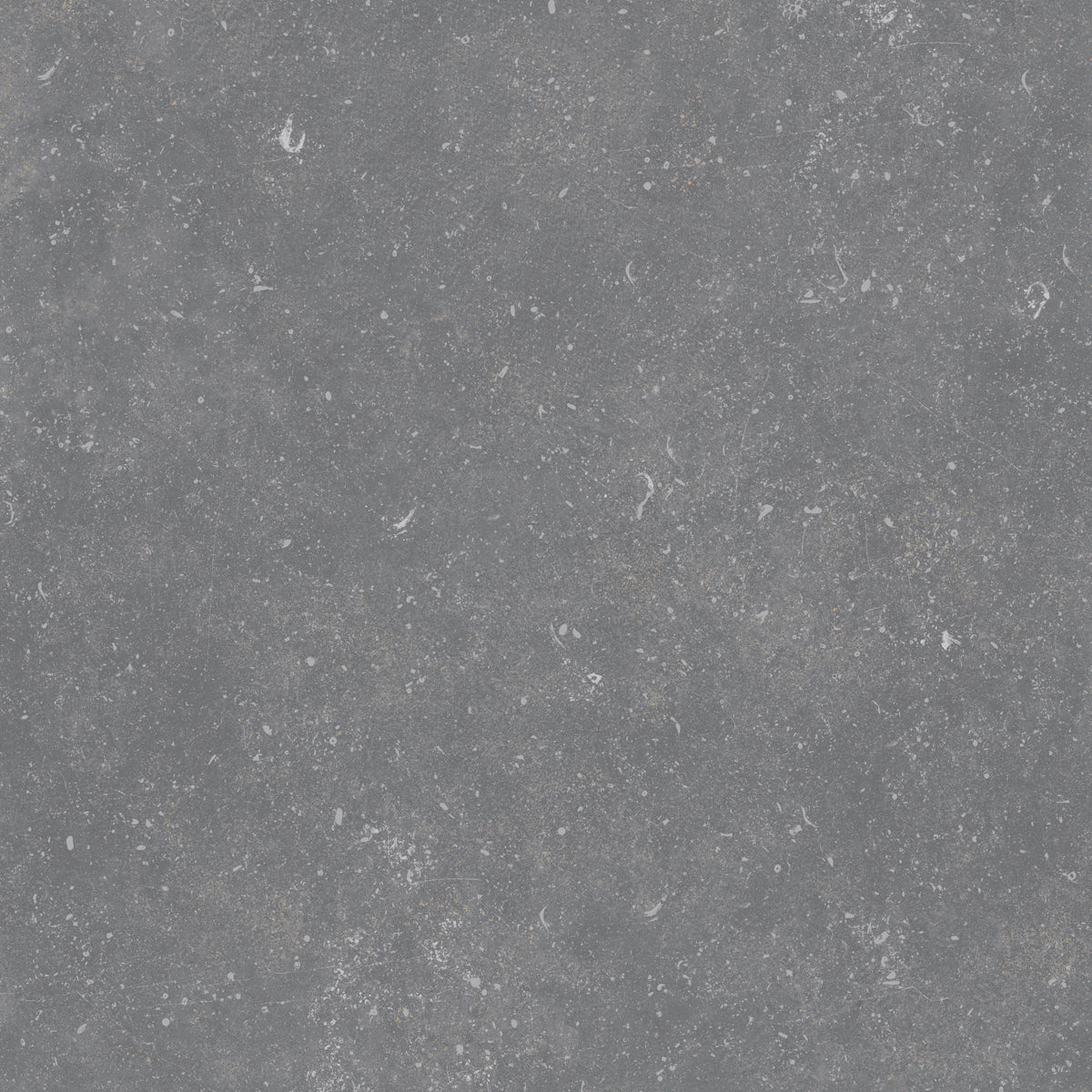


How to Clean a Rough Bathroom Floor
The best way to clean a rough bathroom floor is with warm water, a suitable mild cleaning agent, and a soft to medium-hard brush. Due to the texture of rough bathroom tiles, dirt adheres more quickly than to smooth tiles. This includes limescale, soap residue, body fats, and dust that attaches to the surface or in the grout lines.
The advantage of a rough or textured bathroom floor is that it often provides more grip in a wet area. On the other hand, the floor requires a little more attention when cleaning. With the right approach, you can get the floor clean without unnecessarily stressing the tiles or grout.
Why Does a Rough Bathroom Floor Get Dirty Faster?
A rough bathroom floor has a structured surface. This provides grip, but small dirt particles can also more easily settle in the tile's texture. This happens quickly, especially in the bathroom, because the floor regularly gets wet and comes into contact with shampoo, shower gel, soap, limescale, and body fats.
When these residues are not properly rinsed away, a thin layer forms on the floor. This can make the tile dull and sometimes even feel slippery. The grout lines can also darken as dirt and moisture accumulate there. Regular maintenance is therefore important, especially when cleaning non-slip tiles or rough ceramic bathroom tiles.
Cleaning a Rough Bathroom Floor: Step-by-Step Guide
Do you want to clean a rough tiled floor? Then work step by step. This way, you prevent dirt from spreading and ensure that the floor truly gets clean.
- Remove loose dirt. First, remove hair, dust, and loose sand with a vacuum cleaner or a soft broom. Preferably do this when the floor is dry.
- Wet the floor with warm water. Warm water helps loosen dirt and soap residue. Do not use boiling water.
- Use a suitable mild cleaning agent. Choose a cleaner suitable for bathroom tiles and always follow the instructions on the packaging.
- Scrub with a soft or medium-hard brush. For a rough bathroom floor, a brush often works better than just a mop, as it allows you to get into the texture more effectively.
- Rinse thoroughly with clean water. This removes loosened dirt and cleaning agent residues.
- Dry the floor afterwards. Use a dry cloth, squeegee, or mop to remove excess water. This helps prevent new limescale.
Always test a new cleaning product in an inconspicuous area first. This way, you can be sure that the tile, grout, or finish reacts well.

Which Cleaning Products Are Suitable?
For cleaning a rough bathroom floor, a mild cleaning agent is usually sufficient. Consider lukewarm water with a suitable all-purpose cleaner for tiles or a special tile cleaner for bathroom tiles. With ceramic bathroom tiles, you can often clean more vigorously than with natural stone, but aggressive agents are often not necessary.
Do you have greasy residue from soap, shampoo, or body fats? Then a suitable degreaser for tiled floors can help. Always use it according to the instructions on the packaging and then rinse the floor thoroughly. This prevents a cleaning layer from being left behind, which can make the floor dirty or slippery again more quickly.
Which Products Should You Avoid?
It is better not to use aggressive cleaning agents if not necessary. Also, avoid scouring powders, steel wool, and hard abrasive sponges. These can cause scratches or damage the tile's finish. Products that leave a greasy or shiny layer are also less suitable for a bathroom floor, as they can make the floor more slippery.
Pay extra attention to acidic agents, such as vinegar or powerful limescale removers. These can cause damage to some materials, grout lines, or sealant edges. Ceramic tiles are strong, but the grout lines and edges around the floor are often more sensitive. Therefore, always check the label, follow the instructions for use, and test first in an inconspicuous area.
Removing Limescale and Soap Residue from Rough Bathroom Tiles
Limescale forms when water dries and minerals are left behind on the tile. Soap residue results from shampoo, shower gel, and other personal care products. On a rough bathroom floor, these residues can more easily settle into the tile's texture.
Do you want to remove limescale? Then use a suitable product that matches the type of tiled floor. Let the product work briefly according to the instructions on the packaging. Then scrub gently with a soft or medium-hard brush and rinse the floor thoroughly with clean water. Then dry the floor to limit new limescale stains.
For removing soap residue, a suitable tile cleaner or mild degreaser often works well. It is important not only to mop but also to lightly scrub. This way, you remove dirt more effectively from the texture of the rough tiled floor.
How to Clean the Grout Lines Thoroughly?
Grout lines in the bathroom endure a lot. They are slightly lower than the tile, which causes dirt, moisture, and soap residue to accumulate there more quickly. For cleaning grout lines, it is best to use a small brush or grout brush in combination with a mild cleaning agent.
Apply the product, let it work briefly, and gently brush the grout lines clean. Then rinse thoroughly with clean water, so no cleaning agent remains. Are grout lines damaged, severely discolored, or porous? Then additional maintenance may be necessary. In that case, it is advisable to clean carefully and not to use aggressive agents.
How to Prevent a Rough Bathroom Floor from Getting Dirty Quickly Again?
Cleaning a rough bathroom floor requires less effort if you maintain the floor well. Rinse away soap residue with clean water after showering. Squeegee away excess water with a floor squeegee and ensure good ventilation in the bathroom.
It is better to clean the floor lightly regularly than very intensely occasionally. This prevents limescale, dirt, and soap residue from building up. Also, do not use cleaning agents that leave a layer. These can attract dirt and make the floor less slip-resistant.
A practical routine is to briefly dry the floor with a squeegee after showering and to clean it weekly with a suitable mild cleaning agent. For stubborn dirt on bathroom tiles, you can scrub a bit more thoroughly in specific spots, but always be careful with the tile, grout, and sealant edges.

Are Rough Bathroom Tiles a Good Choice?
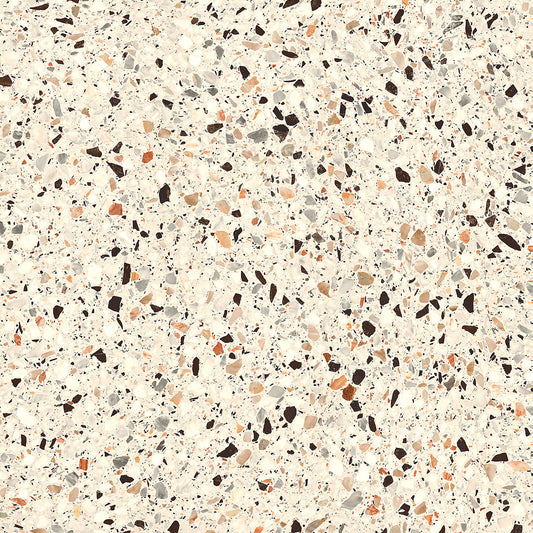
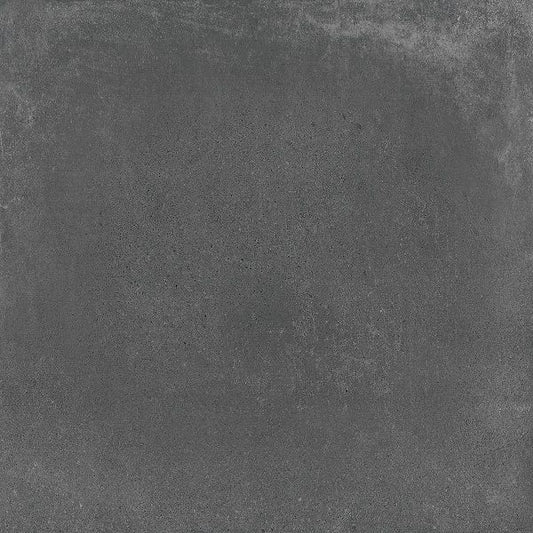
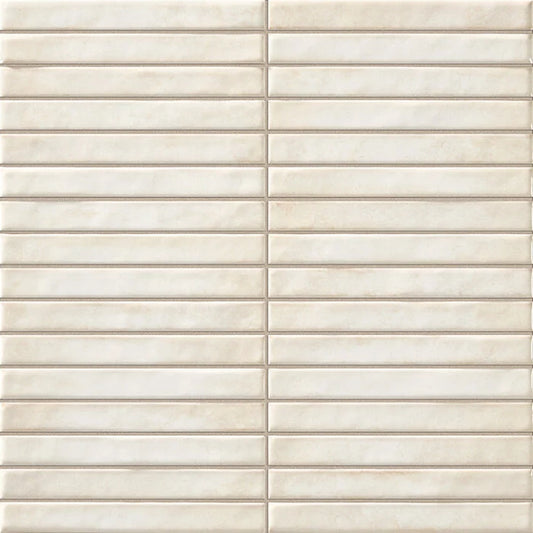
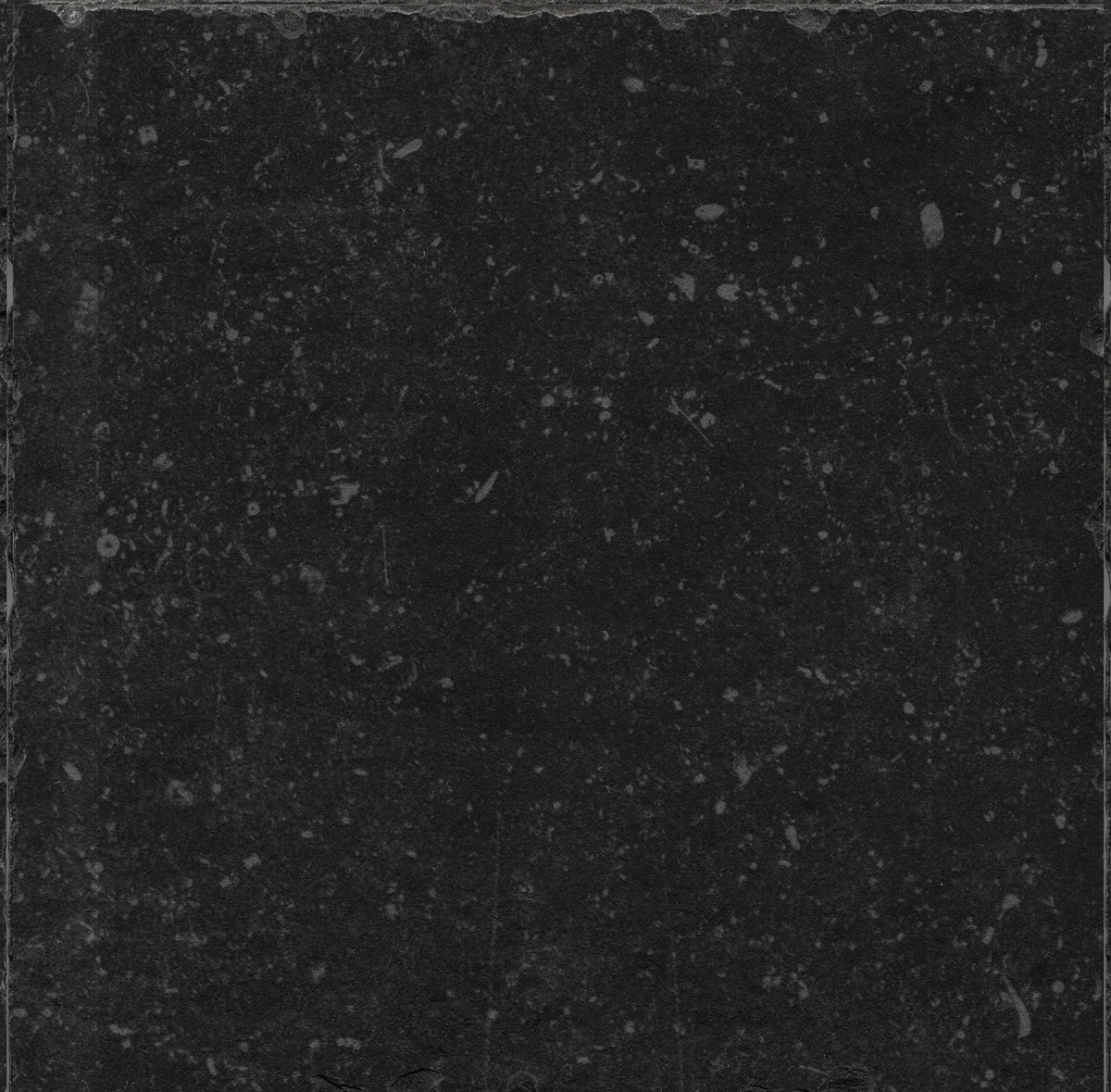
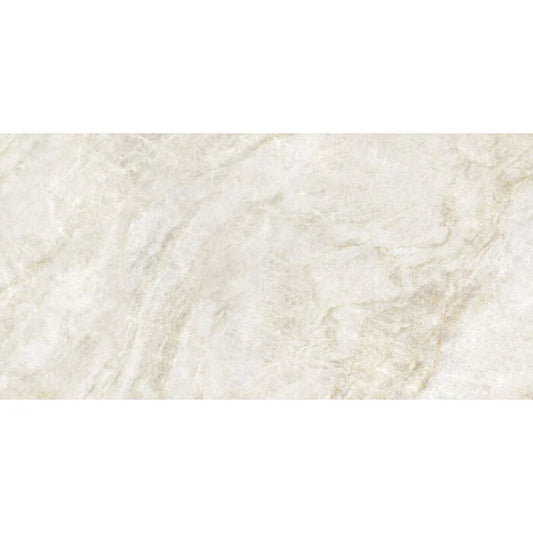
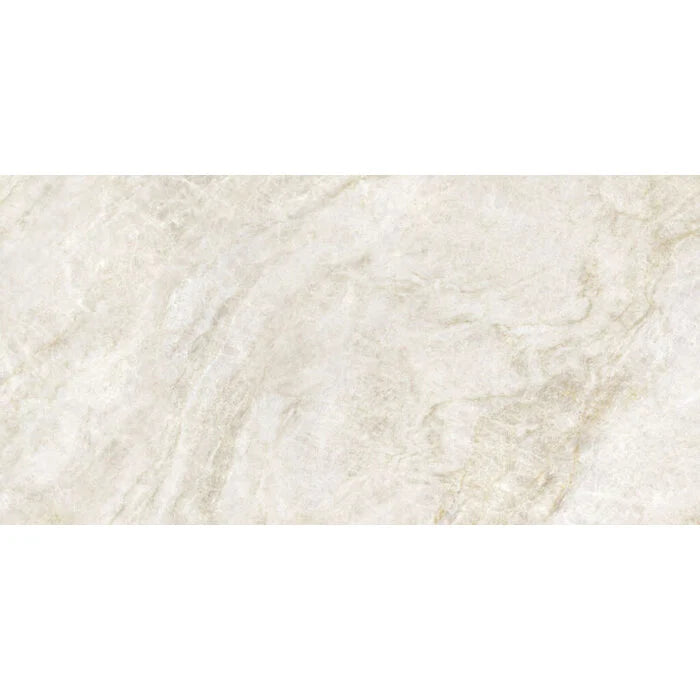
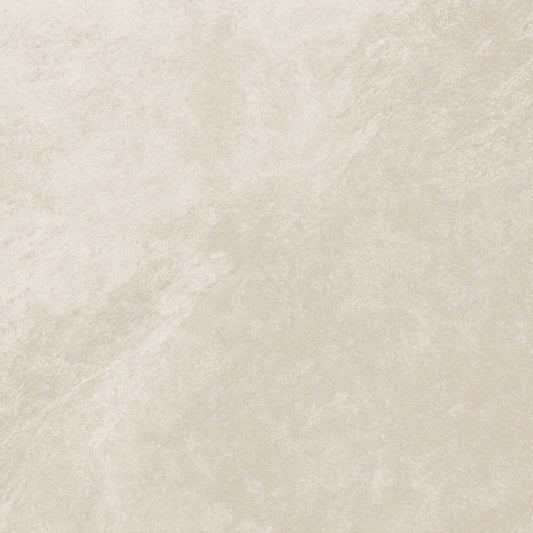
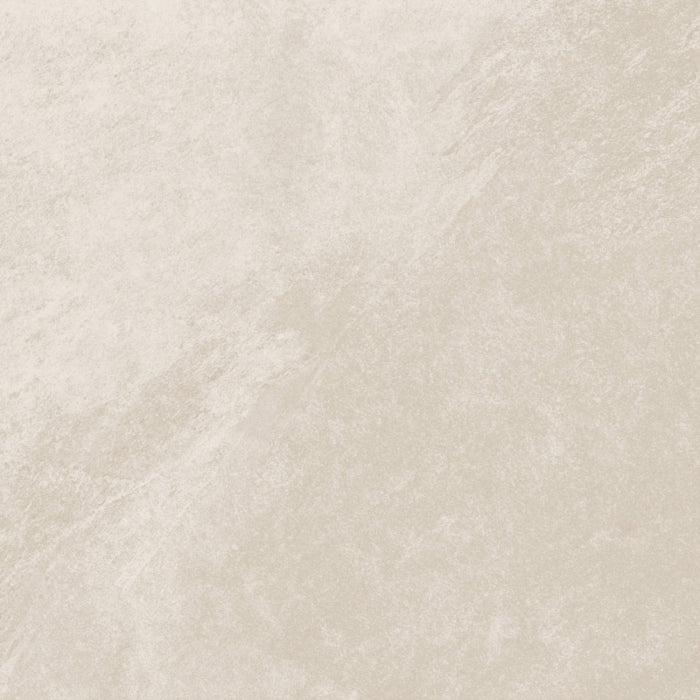
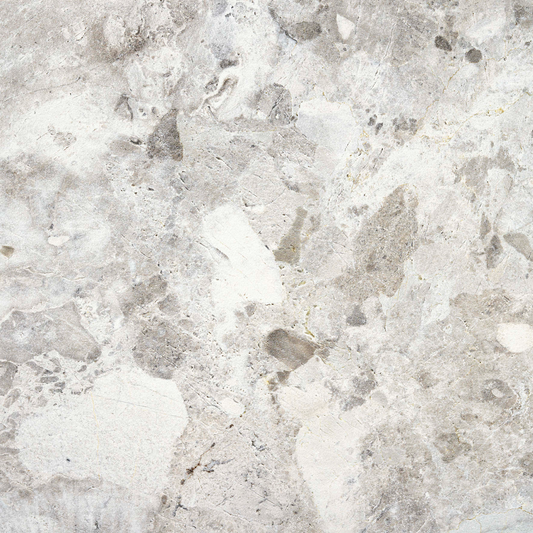
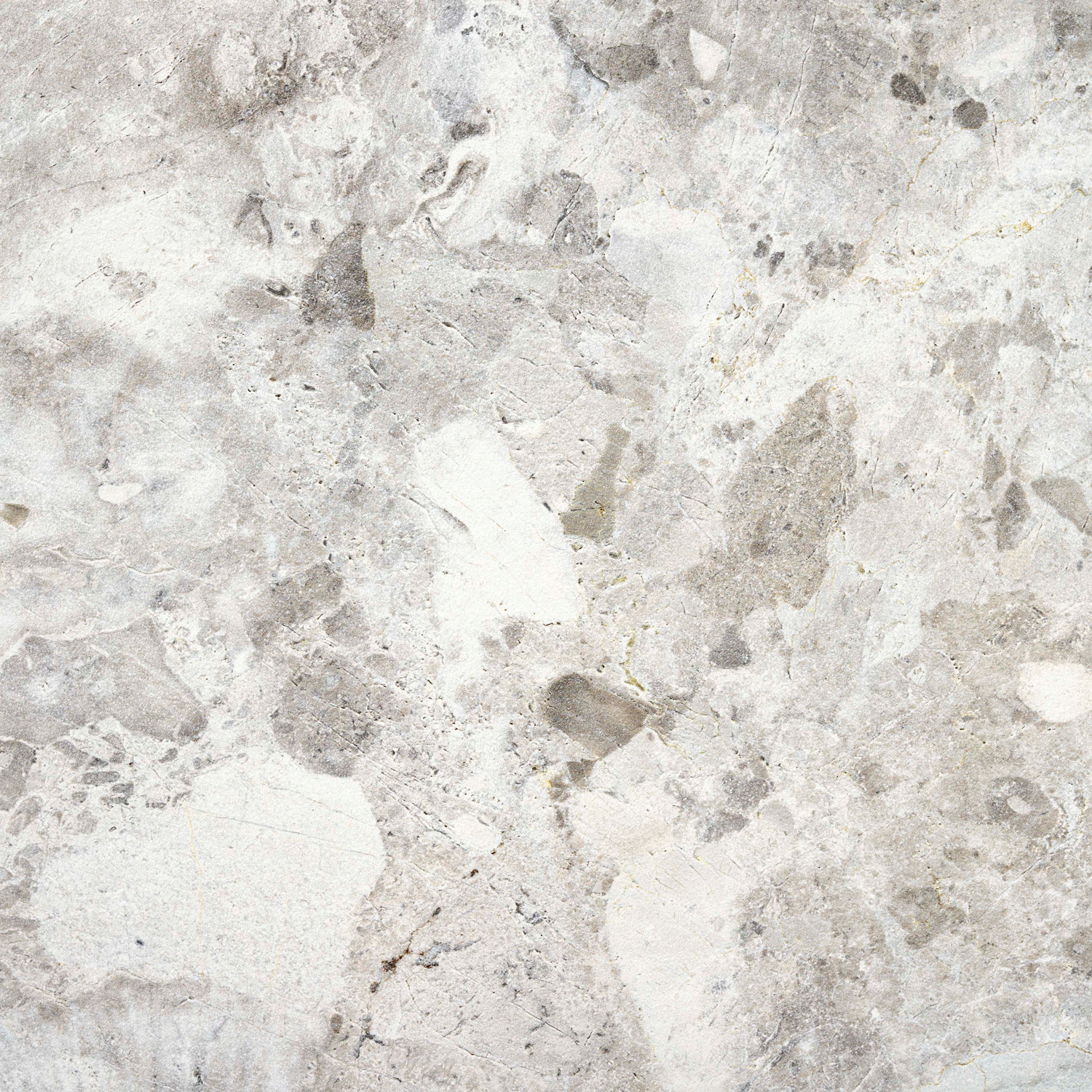
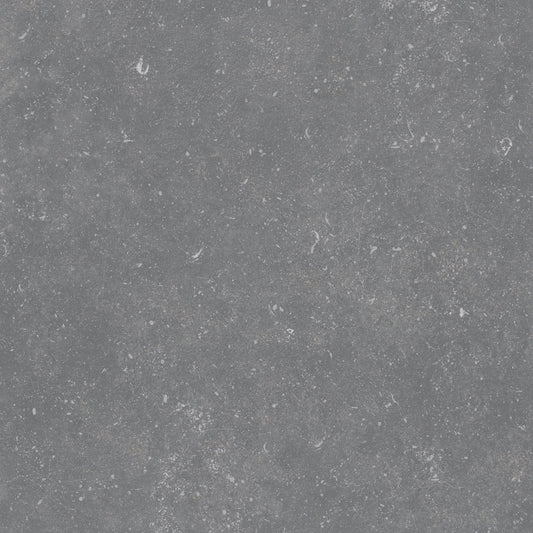
Rough or textured bathroom tiles can be a good choice for wet areas. They often provide more grip than smooth tiles and fit well in modern bathrooms. Consider, for example, ceramic bathroom tiles with a concrete look, natural stone look, or a calm matte finish.
However, rough tiles require a little more attention when cleaning. Dirt adheres more quickly to the texture, making good rinsing and drying important. At WDTegels.com, you will find many ceramic bathroom tiles in various styles, sizes, and finishes. This way, you can choose a floor that suits your bathroom and the level of maintenance you prefer.
Conclusion: What is the Best Way to Clean a Rough Bathroom Floor?
Cleaning a rough bathroom floor starts with a good foundation: remove loose dirt, use warm water, choose a suitable mild cleaning agent, and scrub with an appropriate brush. Always rinse the floor thoroughly afterwards and dry it as much as possible.
Limescale, soap residue, and grout lines sometimes require extra attention. Use products suitable for your type of bathroom tiles and always follow the instructions on the packaging. If in doubt, test first in an inconspicuous area. With regular maintenance, your rough bathroom floor will remain clean, fresh, and pleasant to use for longer.
FAQ
How Often Should You Clean a Rough Bathroom Floor?
Preferably clean a rough bathroom floor weekly. Rinse away soap residue after showering and squeegee away excess water. This prevents limescale and dirt from building up.
Which Cleaning Product Is Suitable for Rough Bathroom Tiles?
A mild cleaning agent or suitable tile cleaner is usually sufficient. Always check if the product is suitable for your type of tile and follow the instructions on the packaging.
How Do You Get Limescale Out of a Rough Bathroom Floor?
Use a suitable limescale remover that matches your type of tile. Let it work briefly, scrub gently with a brush, and then rinse thoroughly with clean water.
Are Rough Bathroom Tiles More Difficult to Clean?
Rough bathroom tiles require a little more attention than smooth tiles because dirt tends to cling to the texture more easily. With regular cleaning, thorough rinsing, and drying, maintenance is manageable.


