







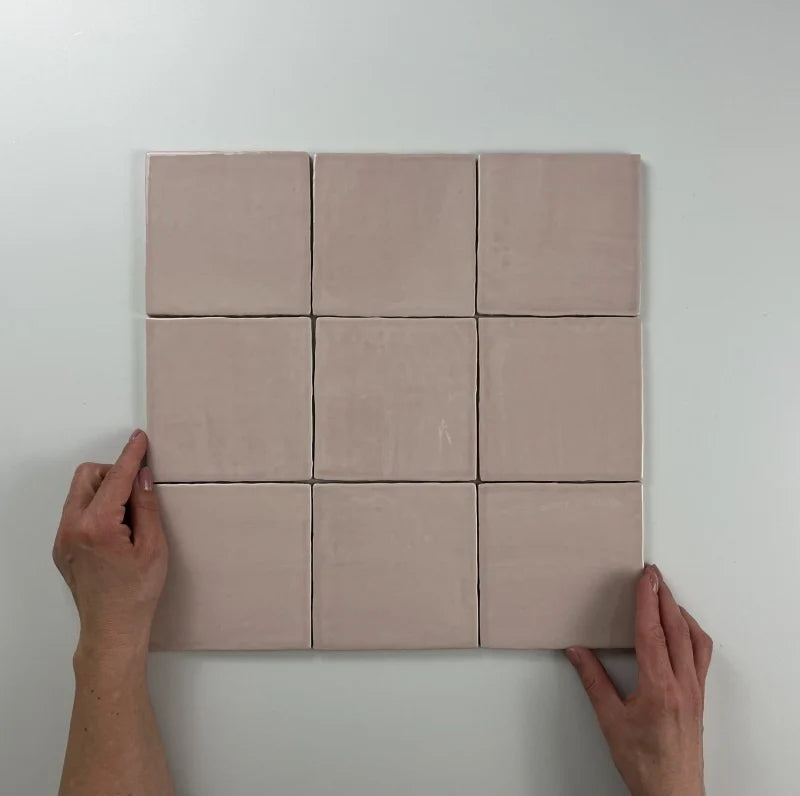
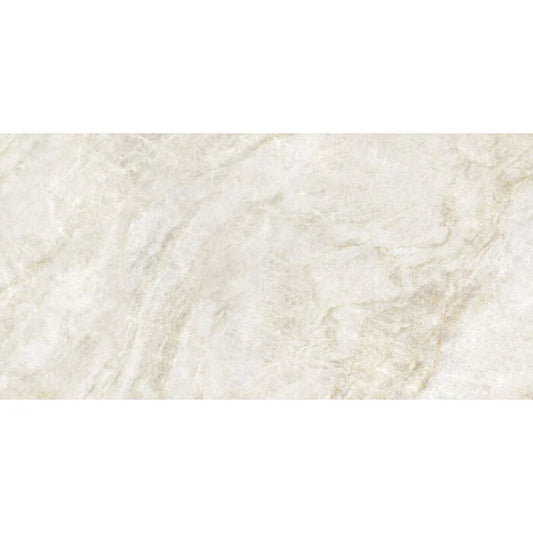
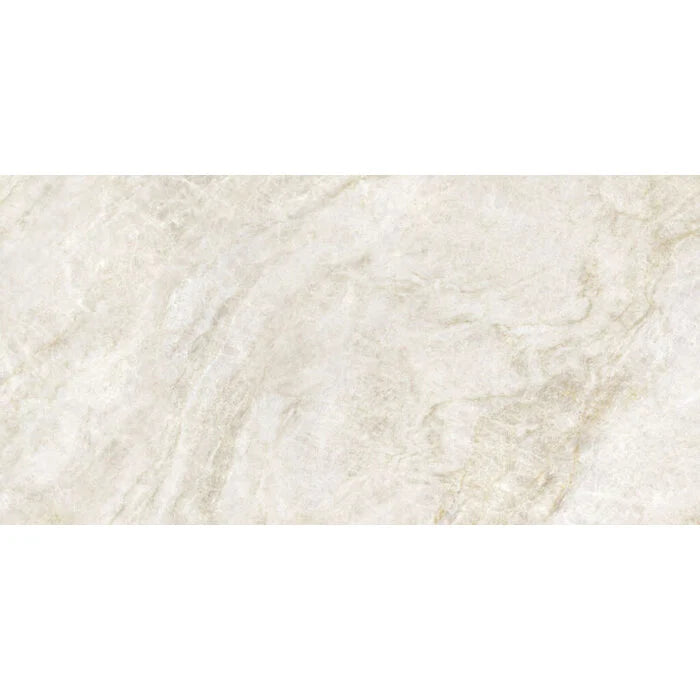


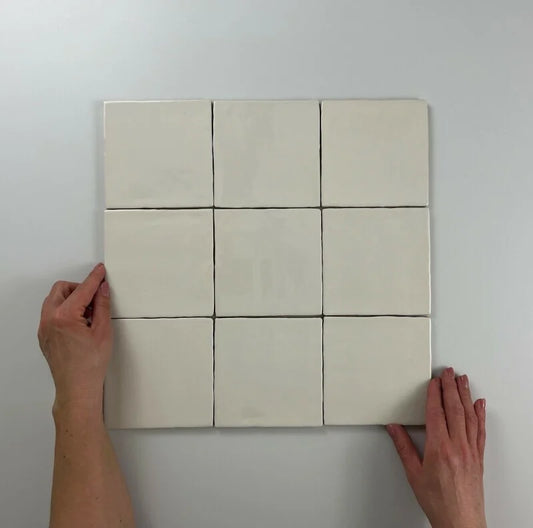


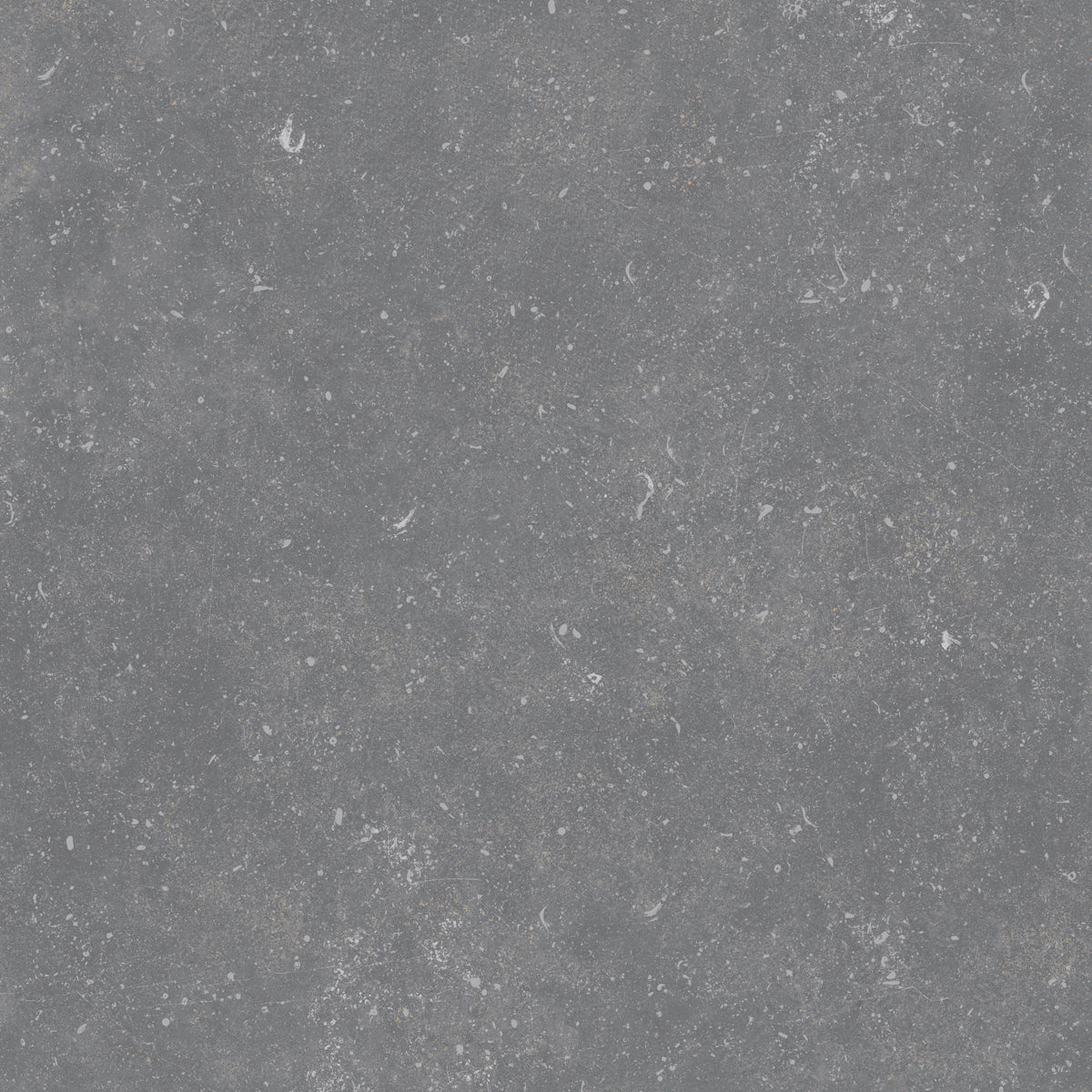


Most ceramic tiles are suitable for underfloor heating because ceramics conduct heat well and retain it for a long time. Whether a specific tile is suitable is always stated in the product specifications. In addition to ceramics, many natural stone tiles are also suitable, although you should consider a number of points during installation and heating.
Tiles and underfloor heating are a popular combination, especially in the bathroom, kitchen, and living room. Ceramic heats up quickly, emits heat evenly, and remains comfortably warm for a long time. In this article, you can read why tiles are so suitable, what to look out for when choosing, and how to safely commission the floor.
Why are tiles suitable for underfloor heating?
Tiles are suitable for underfloor heating because ceramic and natural stone conduct heat well. The material quickly absorbs the heat from the underfloor heating and releases it evenly into the room. As a result, the floor feels pleasantly warm, and the room is heated efficiently.
An additional advantage is that tiles retain heat for a long time. Even after the heating is switched off, the floor remains comfortably warm for some time. This makes tiles with underfloor heating a comfortable and efficient choice, especially in rooms where you often walk barefoot, such as the bathroom.
Which tiles are suitable for underfloor heating?
Many ceramic floor tiles and natural stone tiles are suitable for underfloor heating, but this varies per tile. Whether a tile is suitable depends, among other things, on its composition and thickness. Therefore, suitability for underfloor heating is always stated in the product specifications.
- Ceramic tiles: usually well suited, conduct heat excellently, and are popular for underfloor heating.
- Natural stone: often suitable, but always check the specifications and the supplier's advice.
- Thin tiles: generally conduct heat faster than very thick tiles.
Before ordering, always check if the tile states that it is suitable for underfloor heating. At WDTegels.com, you can find this in the product's specification table, along with the size, anti-slip value, and material.

What should you consider when choosing tiles for underfloor heating?
When choosing tiles for underfloor heating, pay attention to suitability, thickness, and application. Below are the most important considerations.
- Check suitability. Check the specifications to see if the tile is suitable for underfloor heating.
- Pay attention to thickness. Thinner tiles generally conduct heat faster; thicker tiles need a little more time to heat up.
- Choose the correct anti-slip value. In wet rooms, the R-value remains important, even with underfloor heating.
- Consider the subfloor. A good, level subfloor is important for even heat distribution.
Preferably leave the installation to a professional, or ask for advice on the correct adhesive and installation method for tiles in combination with underfloor heating. Proper installation ensures that heat is released evenly and the tiles remain beautiful for a long time.
How do you warm up a new tiled floor with underfloor heating?
A new tiled floor with underfloor heating should be warmed up slowly and gradually, not all at once to the highest setting. Immediately after laying, the adhesive and grout need time to fully cure. Heating too quickly or too hot can cause tension in the floor.
Always follow the advice of the tiler and the manufacturer of the adhesive and underfloor heating regarding the waiting time and the warm-up schedule. It is often advised to increase the temperature step by step over several days. This prevents problems and allows you to enjoy a comfortable, warm floor for a long time.
Are tiles efficient in combination with underfloor heating?
Tiles are an efficient floor finish in combination with underfloor heating because they conduct heat well and retain it for a long time. This means less energy is needed to bring and keep the room at temperature than with materials that conduct heat less well.
Ceramic tiles, in particular, perform well because they absorb heat quickly and release it evenly. In rooms such as the bathroom, kitchen, and living room, this is a pleasant and economical way of heating. The combination of comfort and efficiency makes tiles with underfloor heating a popular solution.
Conclusion: tiles and underfloor heating
Most ceramic and many natural stone tiles are suitable for underfloor heating because they conduct heat well and retain it for a long time. Always check the product specifications to see if the chosen tile is suitable, pay attention to the thickness and anti-slip value, and warm up a new floor slowly and gradually.
At WDTegels.com, you will find a wide range of floor tiles suitable for underfloor heating, with all specifications clearly listed. This allows you to choose a tile that provides a warm, comfortable, and efficient floor.
FAQ
Are all tiles suitable for underfloor heating?
Not all tiles, but most ceramic and many natural stone tiles are. Always check the product specifications to see if the tile is suitable for underfloor heating.
Which tiles are best for underfloor heating?
Ceramic tiles are often the best choice because they absorb heat quickly and release it evenly. Thinner tiles generally conduct heat slightly faster than very thick tiles.
Can I immediately set a new tiled floor to the highest setting?
No, warm up a new tiled floor slowly and gradually. The adhesive and grout must first fully cure. Follow the warm-up advice from the tiler and manufacturer.
Do tiles retain heat for a long time?
Yes, tiles retain heat for a long time. Even after the underfloor heating is switched off, the floor remains comfortably warm for some time.
Where can I see if a tile is suitable for underfloor heating?
This is stated in the product specifications. At WDTegels.com, you can find this in the product's specification table.


