

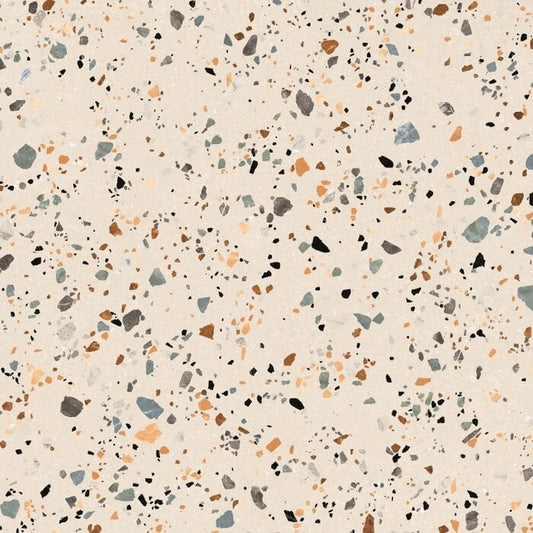
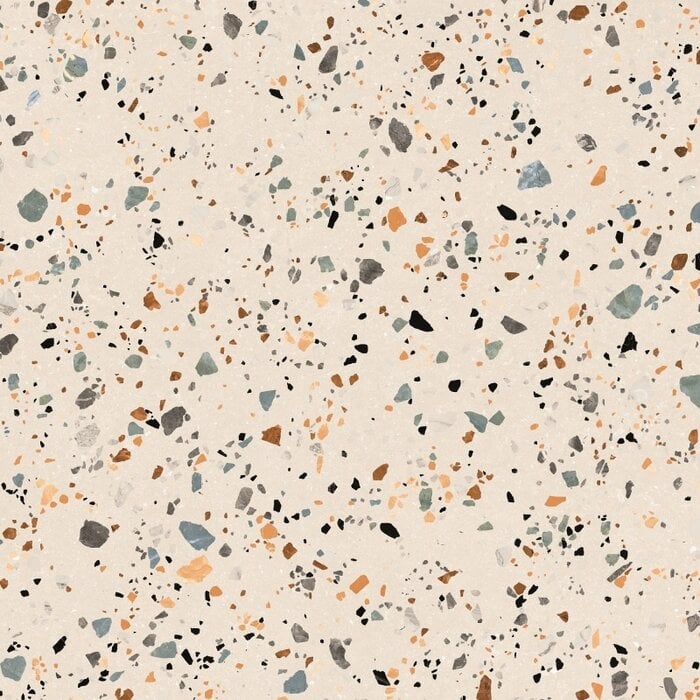
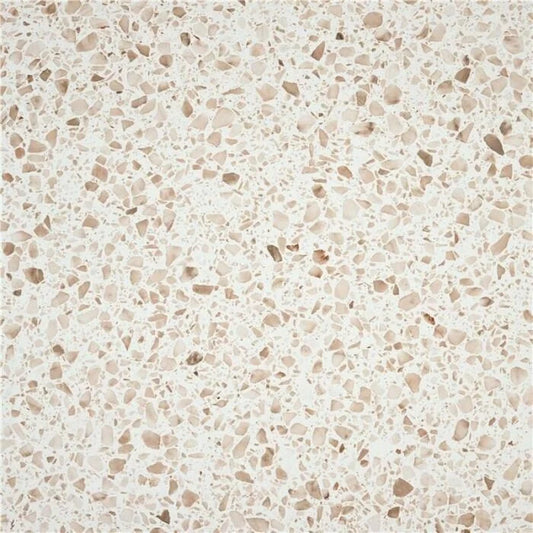
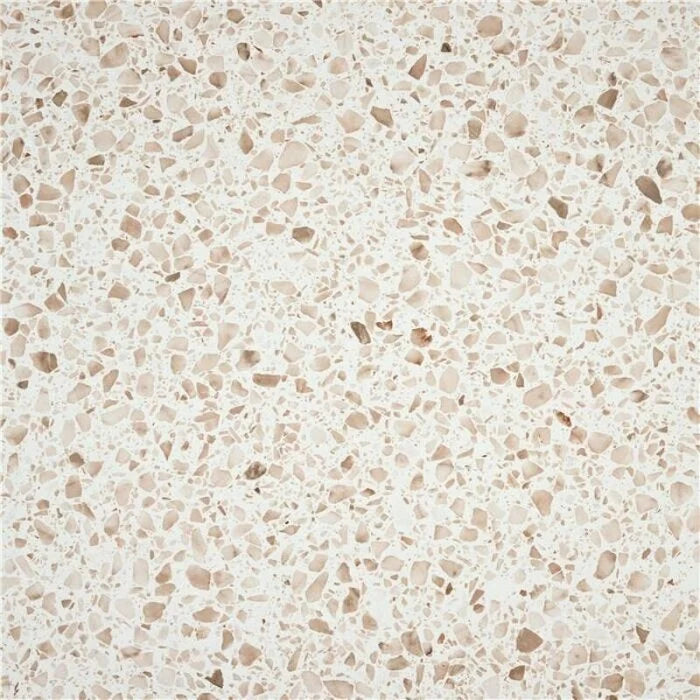
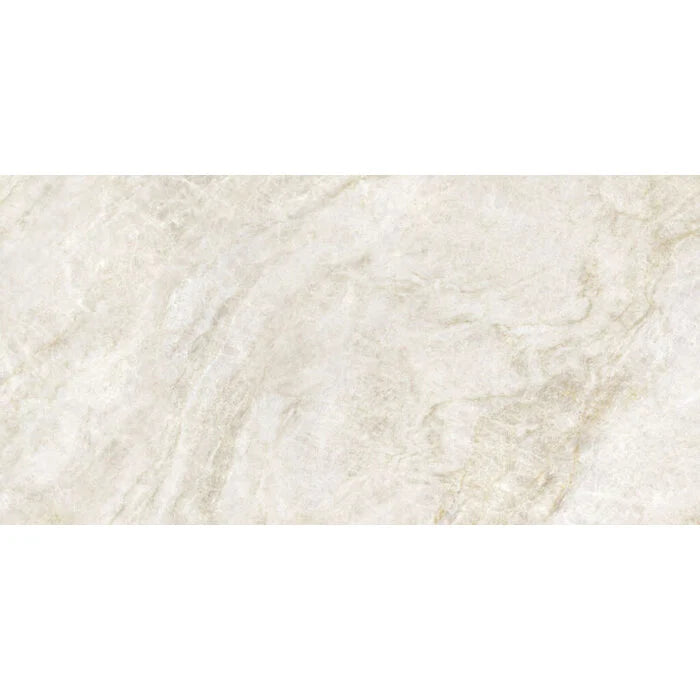


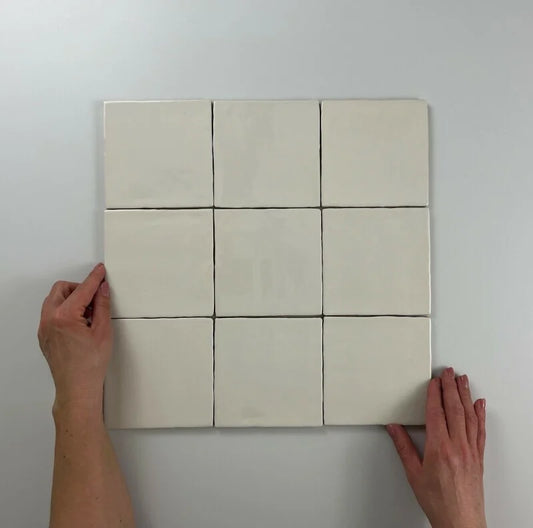
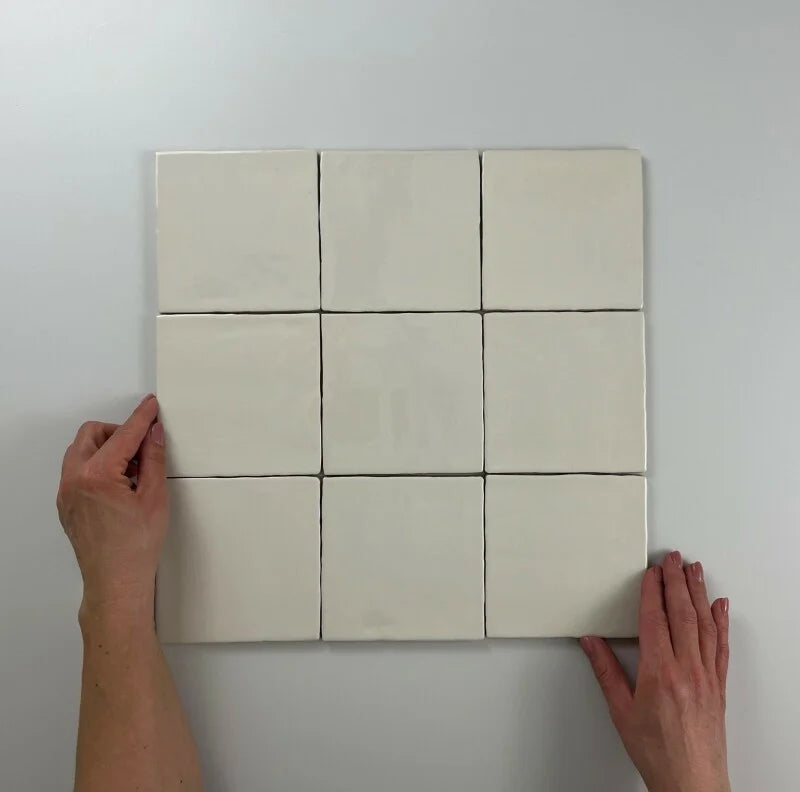
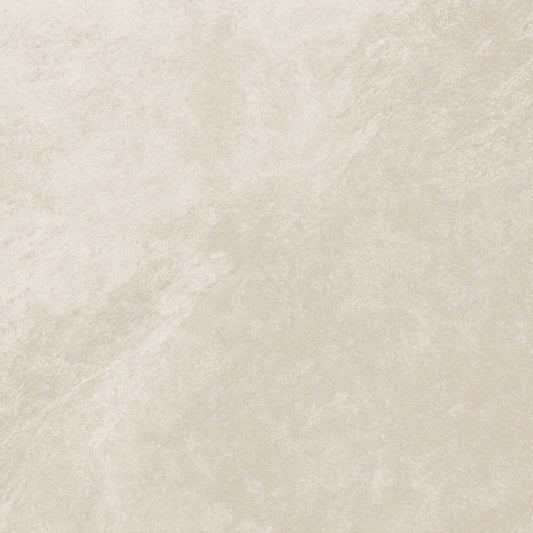
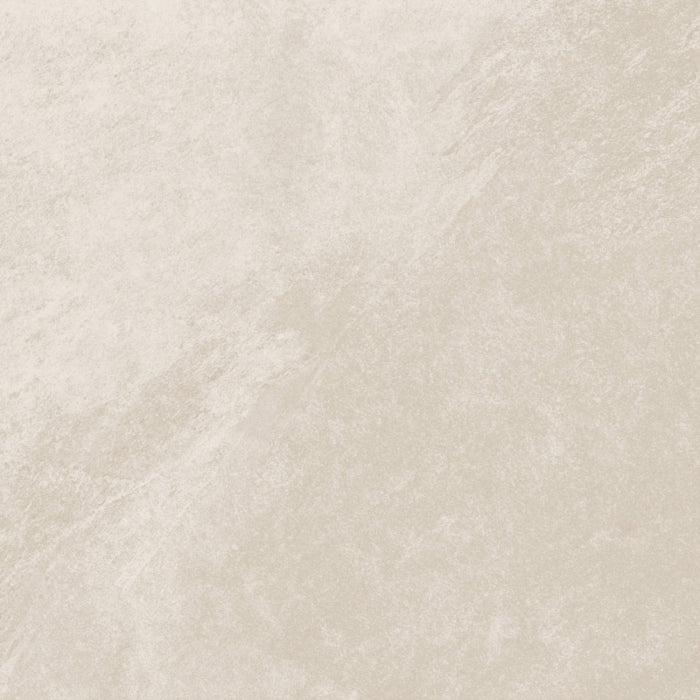
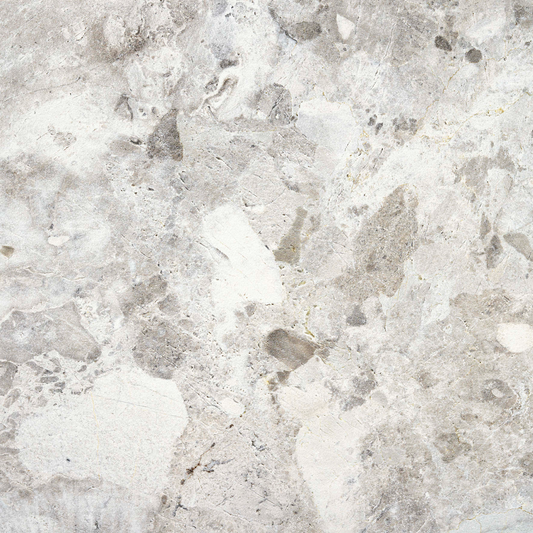
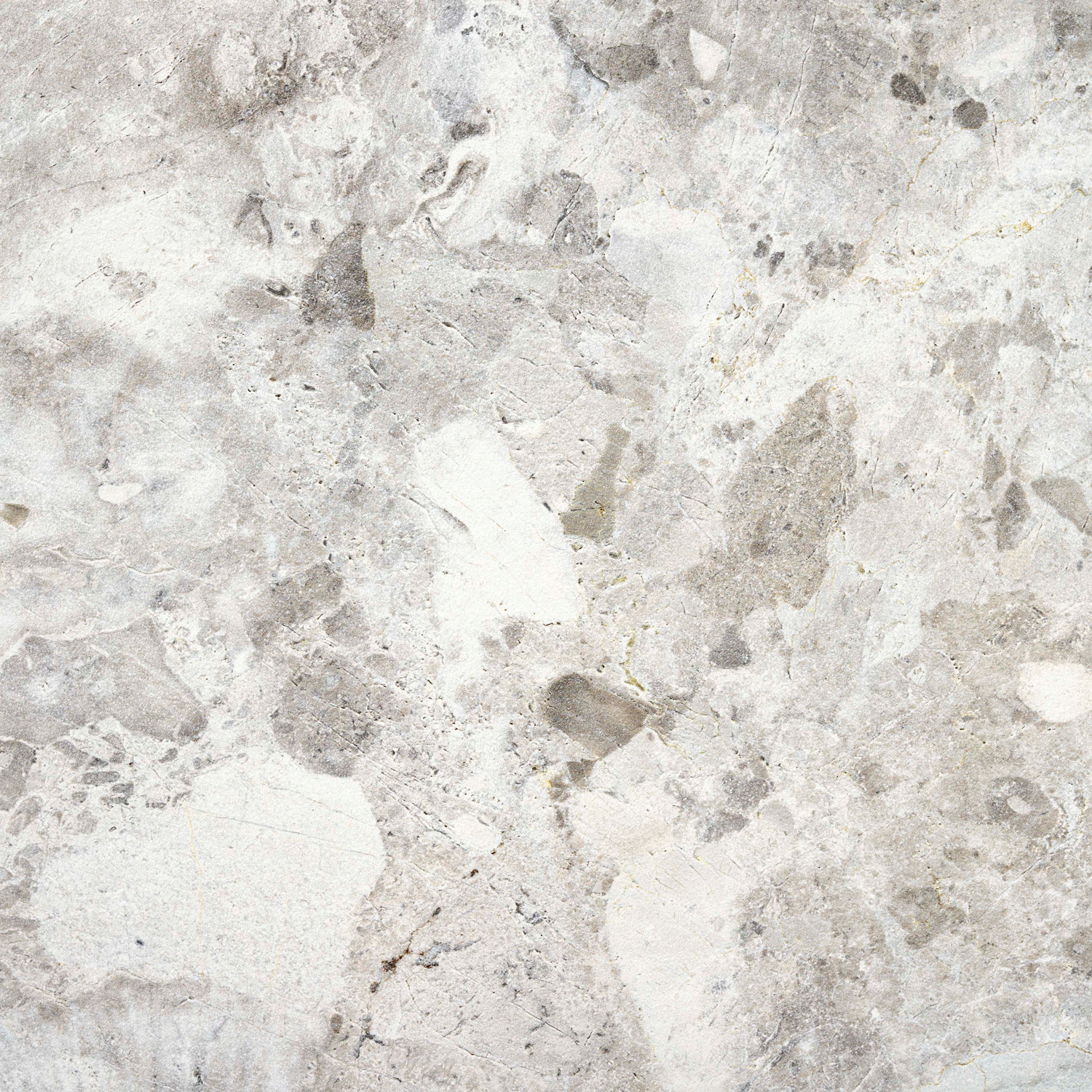
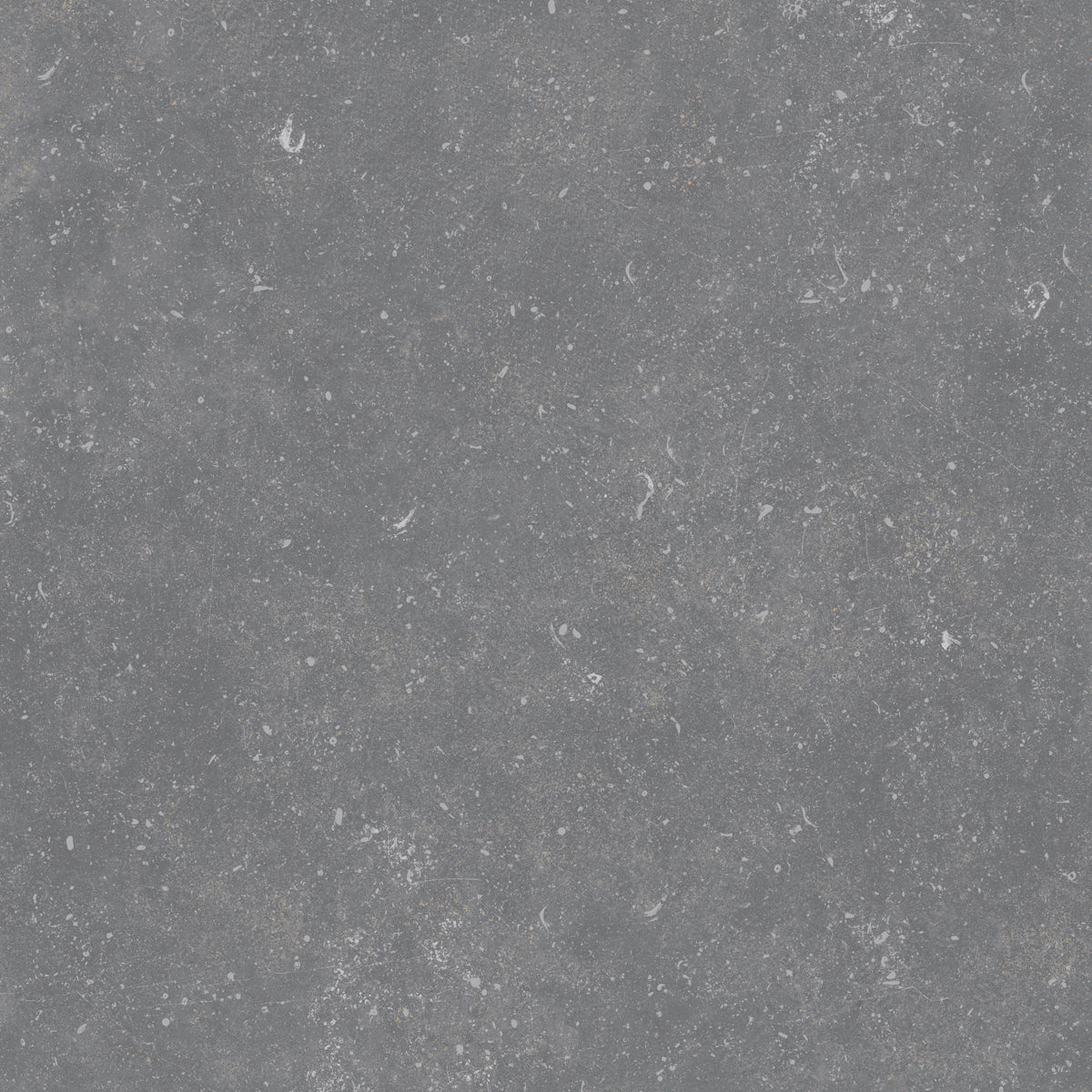


You can recognize frost-resistant tiles by their low water absorption and the "frost-resistant" indication in the product specifications. Because these tiles absorb little water, they cannot crack or be damaged when water in the tile freezes and expands. Therefore, they are suitable for outdoor use, such as on the patio, in the garden, and on the balcony.
Not every tile can withstand frost. Tiles that function perfectly indoors can be damaged outdoors in winter if they absorb too much water. In this article, you will read what frost resistance precisely entails, how to recognize frost-resistant tiles, and what else to consider when choosing outdoor tiles.
What are frost-resistant tiles?
Frost-resistant tiles are tiles that are resistant to frost because they absorb very little water. When a tile absorbs a lot of water and this water freezes in winter, it expands. This expansion can cause a tile to crack or crumble. With frost-resistant tiles, the water absorption is so low that this risk is minimal.
Thanks to this property, frost-resistant tiles remain intact and beautiful even in freezing temperatures. They are therefore specifically used for outdoor applications, where the tiles are exposed to rain, frost, and varying temperatures.
How do you recognize frost-resistant tiles?
You can recognize frost-resistant tiles by the indication in the product specifications and by their low water absorption. The suitability for outdoor use is indicated with the tile. When choosing outdoor tiles, pay attention to the following points:
- Indication "frost-resistant: yes": this is clearly stated in the specifications.
- Low water absorption: the less water a tile absorbs, the better it can withstand frost.
- Suitable for outdoor use: the tile is intended for patios, gardens, or balconies.
- Often sufficient anti-slip: outdoor tiles usually have a higher R-value for grip in wet weather.
At WDTegels.com, you will find the indication of whether a tile is frost-resistant in the product's specification table. This way, you can be sure that the tile is suitable for outdoor use.

Why can't every tile withstand frost?
Not every tile can withstand frost because water absorption varies per tile. Tiles with higher water absorption absorb more moisture into the material. If this moisture freezes, it expands, creating tension in the tile. This can lead to cracks, fissures, or crumbling edges.
Many wall tiles and certain indoor tiles have higher water absorption and are therefore not suitable for outdoor use. They function excellently indoors but would be damaged outdoors in winter. Therefore, it is important to always consciously choose a tile designated as frost-resistant for outdoor use.
Which tiles are suitable for the patio and garden?
For the patio and garden, choose frost-resistant tiles with sufficient anti-slip. Ceramic outdoor tiles are popular because they are strong, colorfast, and easy to maintain. Larger formats, such as 60x60 cm, are often used, and there are thicker variants specifically for outdoor use.
- Frost-resistant: necessary for outdoor use, so the tiles remain intact in winter.
- Anti-slip (R11 or higher): outdoor tiles get wet and must provide sufficient grip.
- Colorfast: good outdoor tiles do not fade quickly due to sunlight.
- Suitable format and thickness: for patios, there are special, often thicker ceramic tiles.
Keep in mind that the installation of outdoor tiles differs from indoor tiles. A good subfloor, proper drainage, and an appropriate laying method are important for a beautiful and durable result.
Can frost-resistant tiles also be used indoors?
Frost-resistant tiles can usually also be used indoors, provided they are suitable for the desired application, such as floor or wall. The low water absorption that makes them suitable for outdoor use is no impediment indoors. Many frost-resistant ceramic tiles are used both indoors and outdoors for a continuous look.
A continuous floor from indoors to outdoors, for example, from the living room to the patio, is popular and creates a spacious effect. For this, check whether the tile is available in an indoor and an outdoor variant and whether both are suitable for the floor.
Conclusion: choosing frost-resistant tiles for outdoor use
You can recognize frost-resistant tiles by their low water absorption and the "frost-resistant" indication in the specifications. Due to this low water absorption, they remain intact and beautiful even in frost, making them suitable for patios, gardens, and balconies. Additionally, pay attention to sufficient anti-slip, as outdoor tiles get wet.
At WDTegels.com, you will find in the specifications of each tile whether it is frost-resistant and suitable for outdoor use. This way, you can confidently choose a tile that will remain beautiful for years, even in winter.
FAQ
How do I recognize frost-resistant tiles?
By the "frost-resistant" indication in the product specifications and by their low water absorption. The less water a tile absorbs, the better it can withstand frost.
Why can't all tiles withstand frost?
Tiles with higher water absorption absorb moisture that expands when frozen. This expansion can cause the tile to crack. Frost-resistant tiles absorb so little water that this risk is minimal.
What anti-slip rating do I need for outdoor tiles?
For outdoor use, R11 or higher is usually recommended, as patio and garden tiles can become wet and slippery and must provide sufficient grip.
Can I install frost-resistant tiles indoors as well?
Yes, frost-resistant tiles can usually also be used indoors. This is useful if you want to create a continuous floor from indoors to outdoors.
Are wall tiles suitable for outdoor use?
Many wall tiles have higher water absorption and are therefore not frost-resistant. Always use tiles designated as frost-resistant for outdoor use.


