

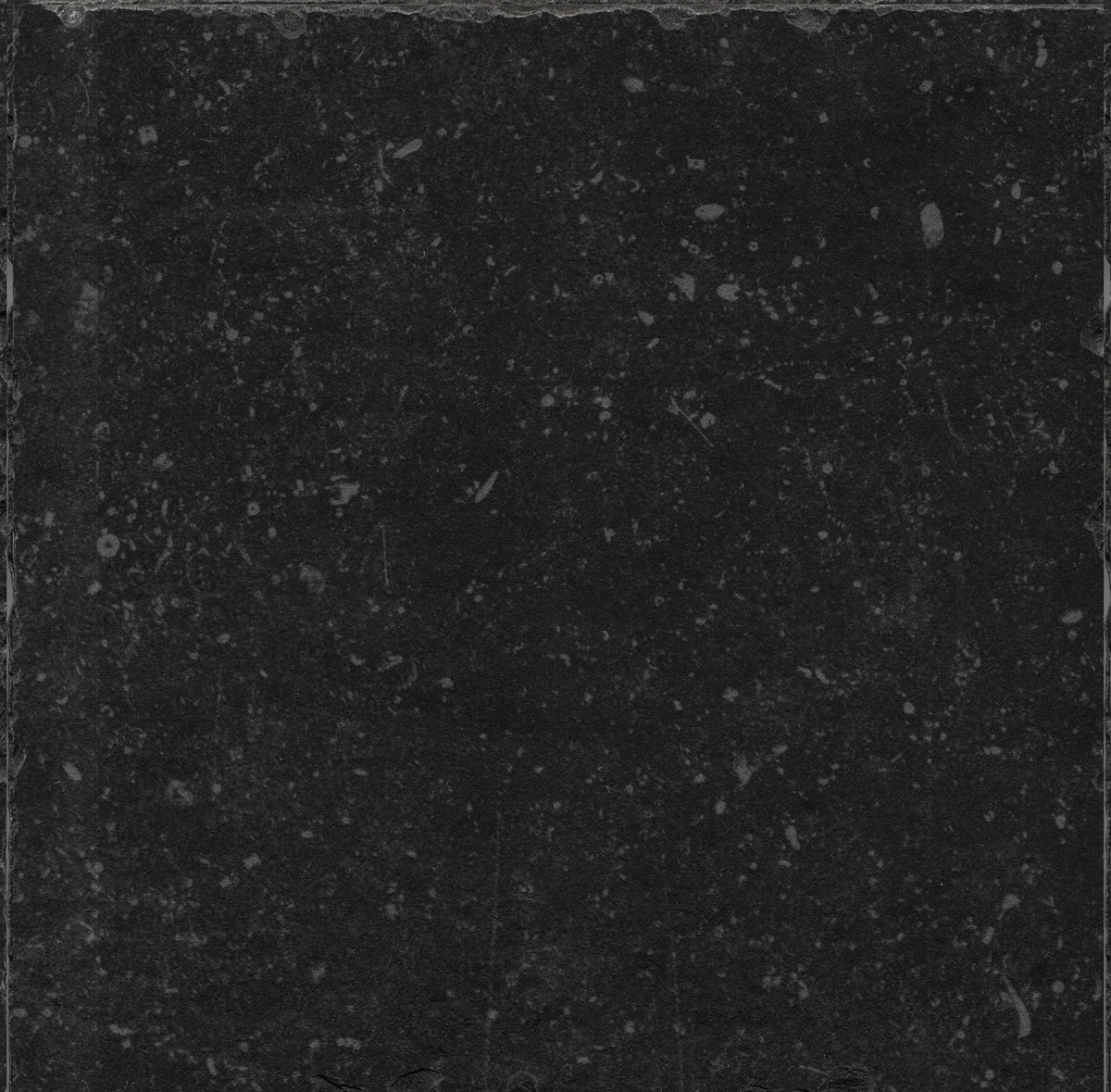
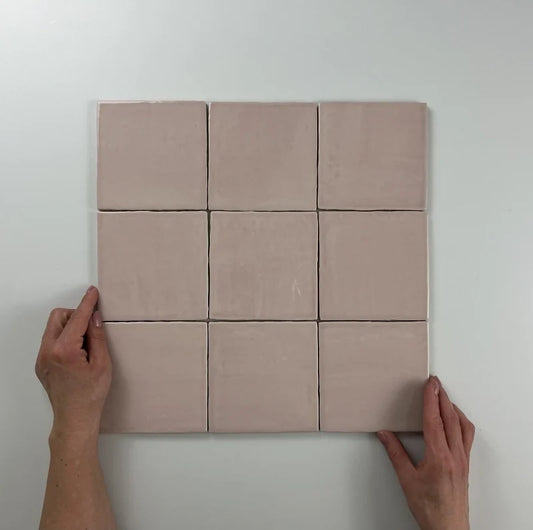
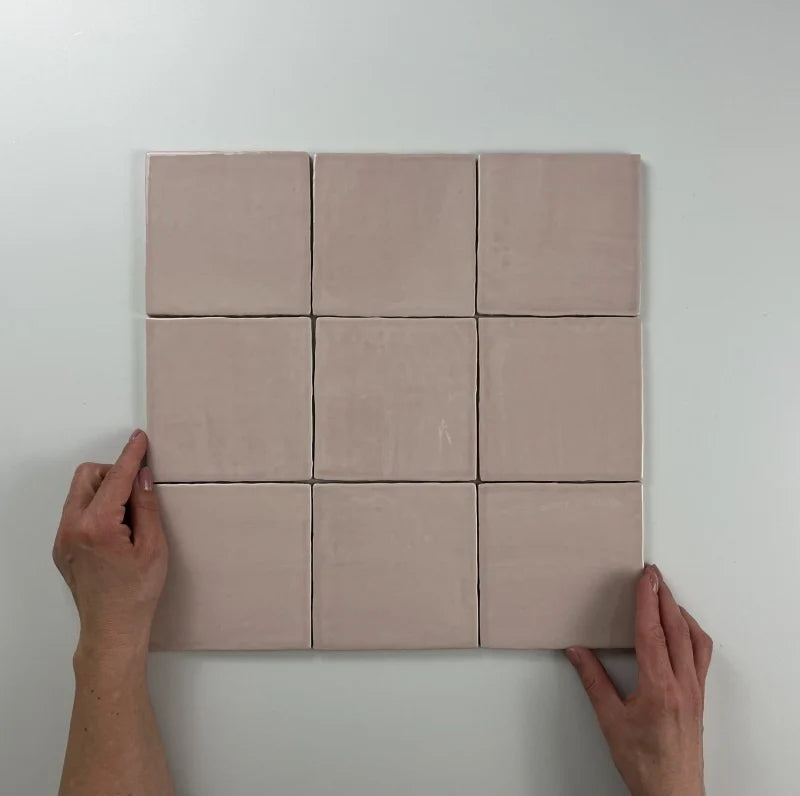
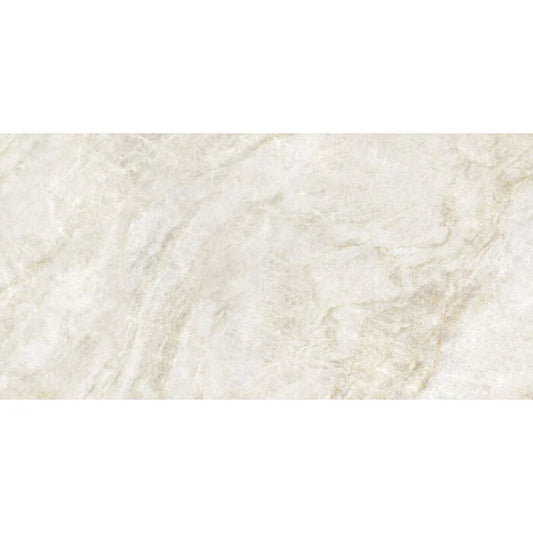


Are you looking for tiles and coming across terms like rectified tiles and non-rectified tiles? For many people, this sounds complicated, while the difference greatly impacts how your floor or wall will ultimately look. Do you want to be sure what best suits your space? Below, we'll help you choose and discover which type of tile best matches your taste.
The Differences
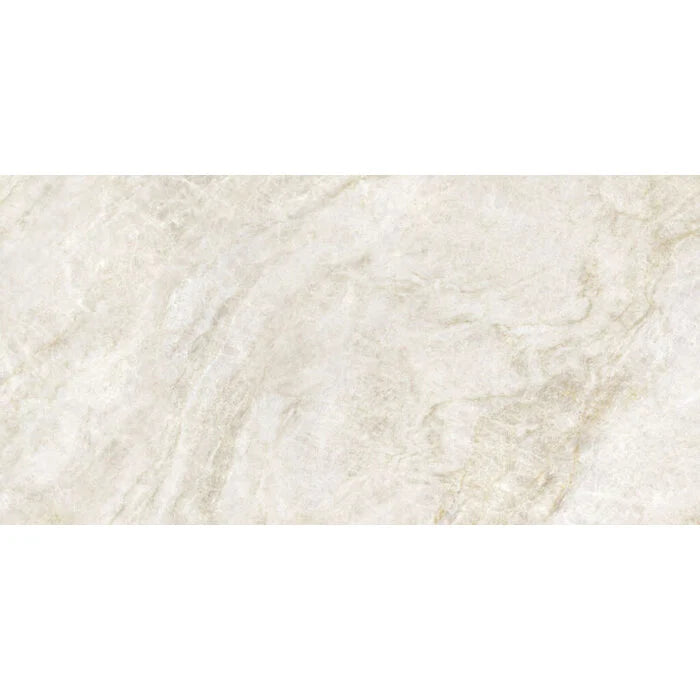
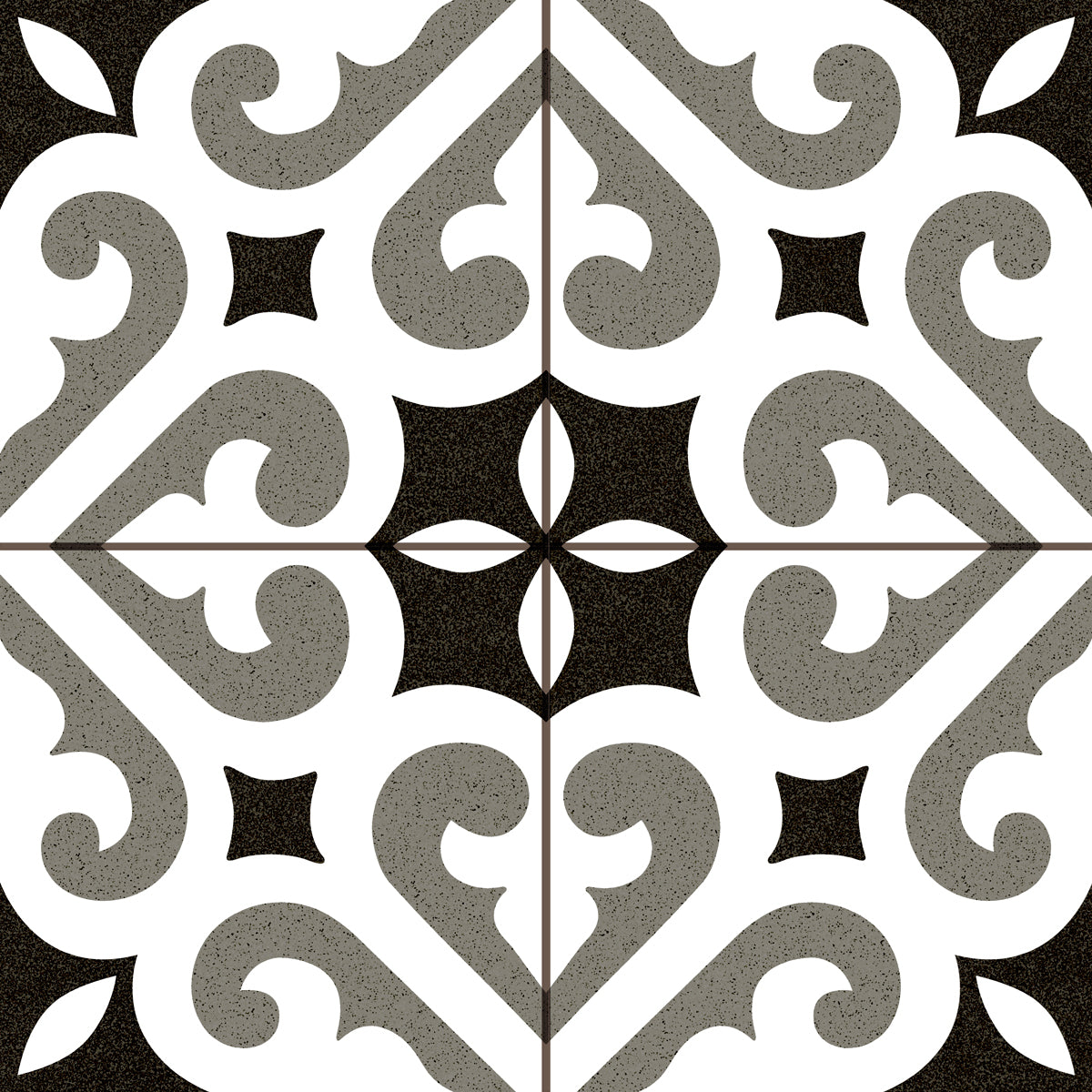
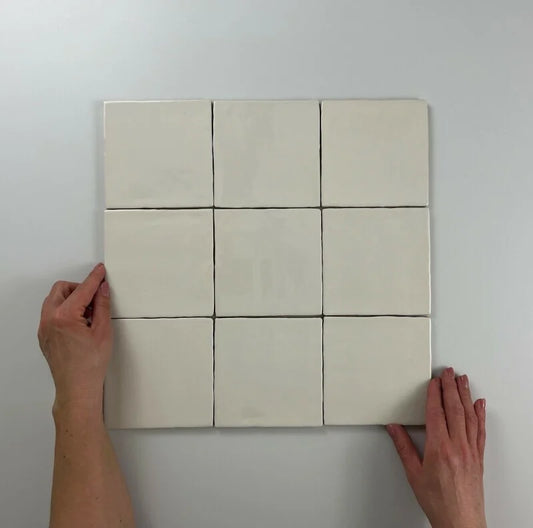
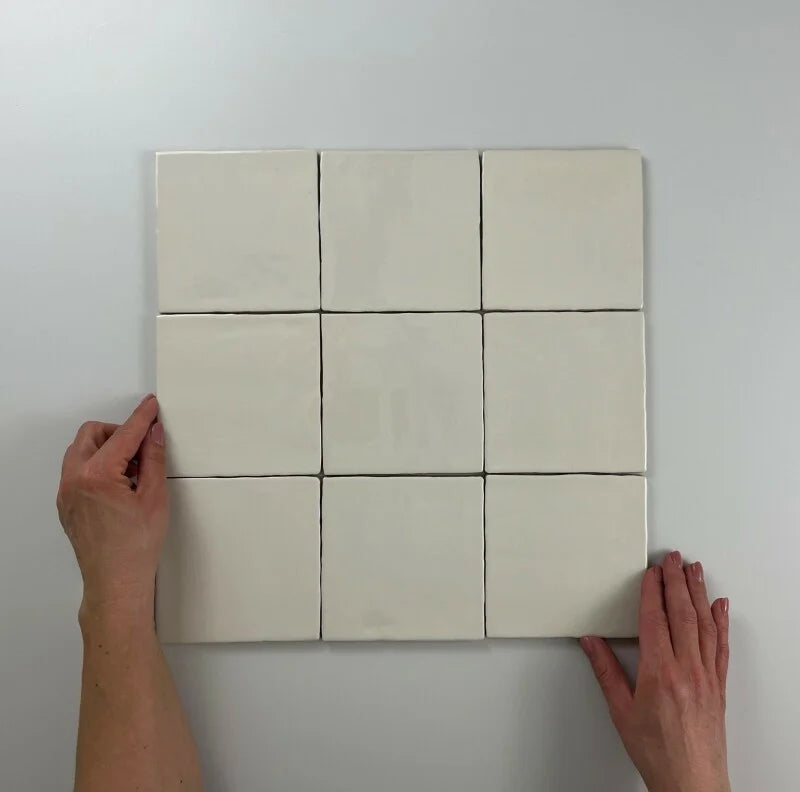
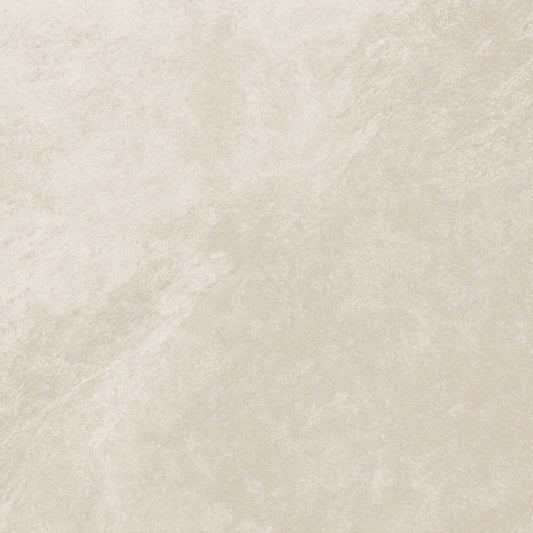
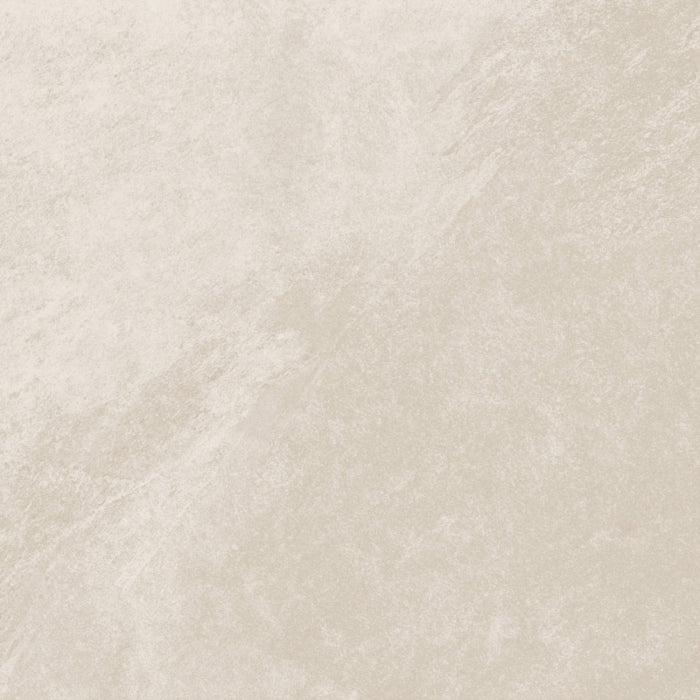
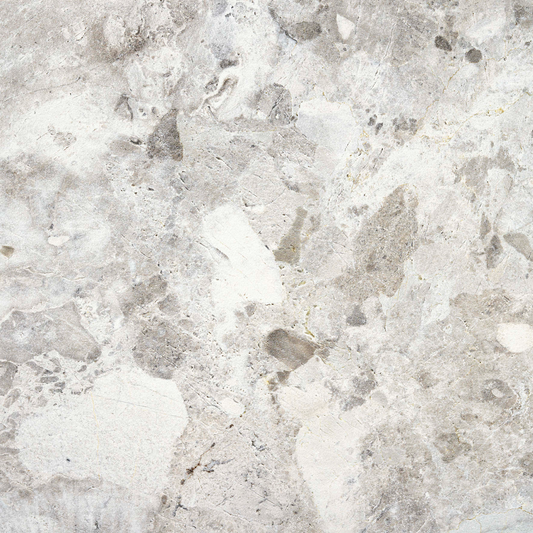
Rectified tiles are precisely cut to size after firing, making their edges very straight and the dimensions of the tiles very accurate. Non-rectified tiles are not additionally processed after firing, which means their edges are slightly softer/more natural, and there may be small size differences between the tiles.

What Will You See on Your Floor or Wall?
The biggest difference is usually seen in the grout lines; with rectified tiles, you can often work with narrower grout lines, resulting in a calmer, sleeker, and more modern final look. Especially with large tiles, this gives a luxurious appearance, as it seems as if the surface consists of almost one single piece. Non-rectified tiles typically use slightly wider grout lines, which gives a softer and more natural look. The end result is often less sleek but can therefore also appear warmer and more inviting.
Which One Suits Your Situation?
For a Modern Bathroom
If you want a sleek bathroom, rectified tiles are the best fit; the narrow grout lines make the space appear calmer and more luxurious. Especially with large wall or floor tiles, this provides a stylish and modern base for your bathroom.
For a Warm Rural Kitchen
If you're looking for atmosphere, character, and a softer appearance, non-rectified tiles can be a beautiful choice. The slightly wider grout lines and less strict alignment create more warmth throughout the kitchen.
Budget-Friendly
If you want to keep costs down, non-rectified tiles are often a better option. Not only can the tile itself be more affordable, but installation can also sometimes be less critical.
For Large Floor Tiles
For large formats, many people opt for rectified tiles, as this is when the straight lines and narrow grout lines truly come into their own. Additionally, the floor looks calm, spacious, and sleek.
For Those Who Want Low Maintenance
Because rectified tiles are laid with narrow grout lines and the tiles are level, less maintenance is often required. Due to the smooth surface, dirt, grease, and mold accumulate less quickly in the grout lines. It's important to remember that maintenance depends not only on the width of the grout lines but also on the type of tile and its finish.
Common Misunderstandings Between Rectified and Non-Rectified Tiles
One of the biggest misunderstandings is that rectified means tiles can be laid without grout. Grout is always necessary, among other things, to absorb small tensions and to ensure neat placement. Additionally, people often think that more expensive automatically means better, but rectified tiles are not inherently the best choice. It very much depends on the look you want and the situation in your home. Non-rectified tiles simply have a different finish with a different atmosphere but are certainly not 'worse' than rectified tiles.
Practical Buying Tips
When choosing, don't just look at color or size, but also at the edge finish. Always ask what grout width is recommended and consider carefully where the tiles will be placed: bathroom, kitchen, living room, or toilet. Also, think about the atmosphere you want to create; are you going for sleek and modern, or do you want warm and natural? If you choose rectified tiles, it's important to always inquire whether the subfloor is flat enough for accurate placement.
Conclusion: Difference Between Rectified and Non-Rectified Tiles
Do you like sleek, modern, and narrow grout lines? Then rectified tiles are often the best choice. Do you prefer a natural look, a smaller budget, and a bit more leeway during installation? Then non-rectified tiles might be a perfect fit. Still unsure between the two options? Contact us and feel free to ask for advice or request a sample so you can see at home which tile best suits your space and interior style.
Frequently Asked Questions
1. Are rectified tiles always better?
No, rectified tiles are primarily better if you prefer a sleek and modern result with narrow grout lines. For a warmer or more natural look, non-rectified tiles may be a better fit.
2. Do non-rectified tiles always have wide grout lines?
Not necessarily very wide, but usually slightly wider than with rectified tiles. This is because the size tolerance is somewhat larger.
3. Which tile is easy to install?
Generally, non-rectified tiles are slightly easier. Rectified tiles require more precision and a good, level subfloor.


