

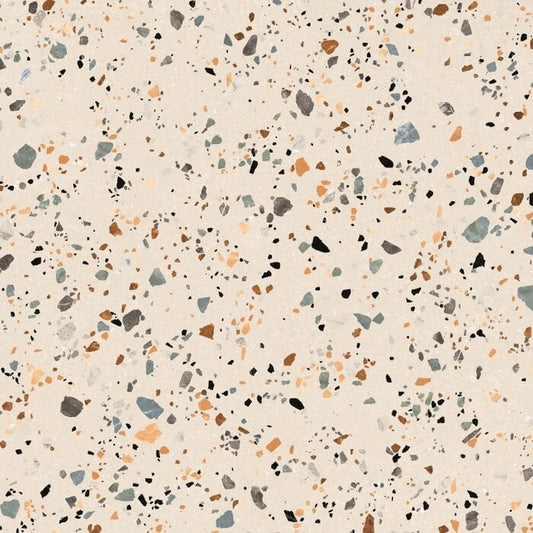
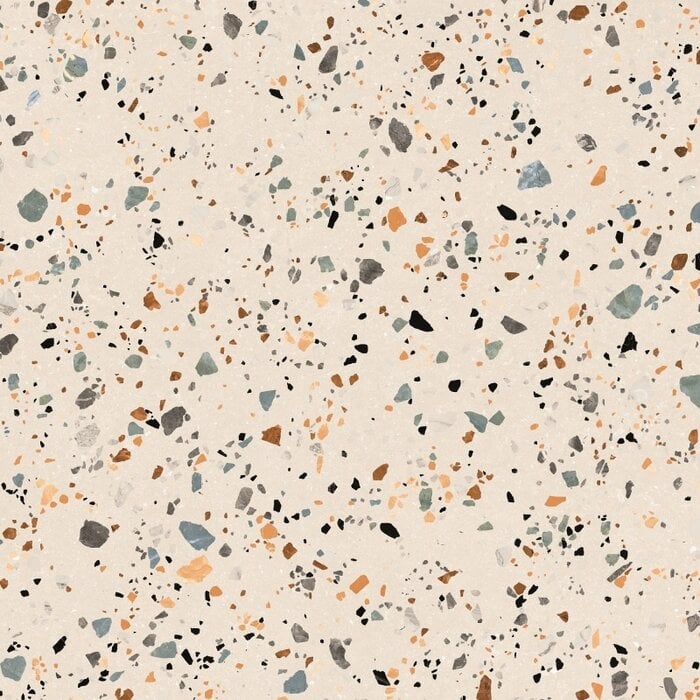
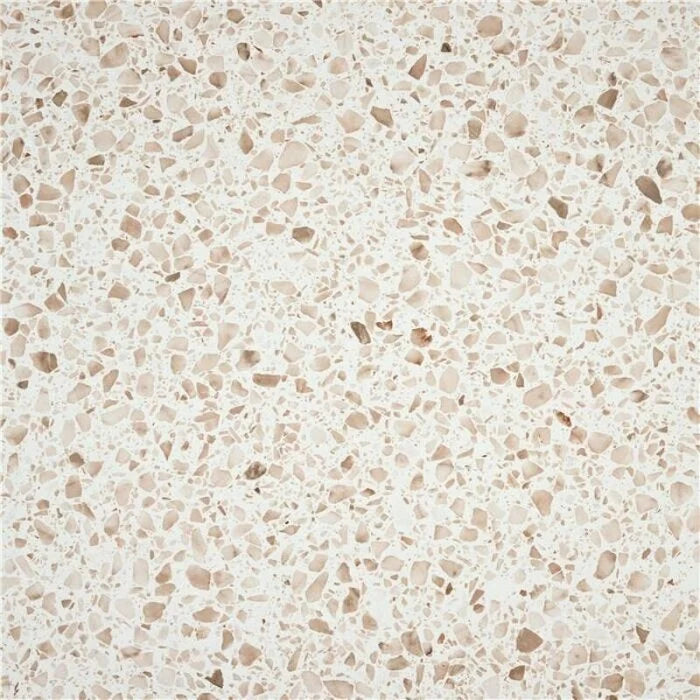










Cleaning a tiled floor often seems like an easy job, but in practice, many questions arise about it. Streaks after mopping, a dull film on the floor, or grout that remains dirty all contribute to your floor looking less clean than it actually is. Therefore, anyone who cleans a tiled floor correctly not only looks at the tiles themselves but also includes the grout and assesses whether, in some cases, it's necessary to whiten the grout for a fresher overall appearance.
Why cleaning a tiled floor sometimes doesn't yield the desired result
Those who regularly clean a tiled floor usually expect the floor to dry fresh and evenly after mopping, but this is certainly not always the case. A common cause of this is the use of too much cleaning product, which is actually counterproductive. At the moment, it seems thorough and logical, but in practice, a thin layer often remains that attracts dust and dirt more quickly. This is especially noticeable on large surfaces and on tiles with a uniform color, and that's certainly not what you want.
The right foundation for cleaning a tiled floor
A good result doesn't start with mopping, but with removing loose dirt. Sand, dust, and crumbs act as an abrasive layer during mopping and cause dirt to spread across the floor. Therefore, it's advisable to vacuum or sweep thoroughly before you start with water.
After that, you can start cleaning the tiled floor, preferably using lukewarm water and a cleaner suitable for tiled floors. When cleaning indoor tiles, always use a pH-neutral cleaning agent suitable for tiled floors. Then, the mop should be well wrung out so that the floor doesn't get unnecessarily wet; this way, the surface dries more evenly, and the chance of streaks is limited.
Cleaning a tiled floor with stubborn dirt
Sometimes, a regular cleaning isn't enough, for example, when a floor feels sticky, looks dull, or is visibly soiled in certain areas. In that case, cleaning the tiled floor requires a more thorough approach, but even then, it's not wise to immediately resort to aggressive agents.
Start again by vacuuming so that no loose dirt remains, then work with clean water and a mild product that leaves no greasy residue. Clean the floor in sections and change the water in time; for localized dirt, it's usually more effective to treat that spot separately than to clean the entire floor more heavily. Especially when cleaning a tiled floor, a targeted approach often yields a better and neater result than an overly rough cleaning.
Cleaning grout
For many tiled floors, the difference between a reasonable and a truly well-maintained appearance lies not in the tile itself, but in the condition of the grout. During cleaning, primarily the visible areas receive attention, while the grout absorbs a lot of dirt, moisture, and grease. Because of the grout, a tiled floor can look dull, despite regular mopping.
Properly cleaning the grout requires a different approach than cleaning the tile. Use warm water, a mild cleaning agent, and a soft brush so you can loosen the dirt without damaging the grout. Work calmly in small strips and always rinse the treated areas thoroughly. Especially in the hallway, kitchen, and bathroom, cleaning the grout is important as it endures the most wear and tear from tracked-in dirt, grease residue, or moisture.
When is it useful to whiten grout?
Not every dark grout is immediately permanently discolored; in many cases, thoroughly cleaning the grout already brings about a significant improvement. Only when grout remains dull or uneven in color after thorough cleaning does whitening the grout become an option. This is especially true for older floors or for grout that has been exposed to moisture, grease, or limescale for years.
When whitening grout, it's important to first determine whether it's everyday dirt or actual discoloration. If cleaning no longer yields a sufficient result, a suitable product to refresh grout can help, and meticulousness is very important here. Those who work too quickly with strong agents risk damaging the grout or creating an uneven color. In practice, whitening grout yields the best results when grout cleaning has been performed properly first, and only then is it assessed whether an additional refresh is needed.
Common mistakes when cleaning a tiled floor
When cleaning a tiled floor, the same things often go wrong that are actually easy to fix. Too much cleaning product is used, the mop water isn't changed in time, or the floor is made so wet that it dries unevenly. These mistakes seem small, but they are often the direct cause of streaks, hazing, and a floor that looks dirty again more quickly.
Even when cleaning and whitening grout, an overly harsh approach is not the way to get everything beautifully clean again. A coarse brush or an overly aggressive product can make the grout more porous, causing new dirt to adhere more quickly. If you want a lasting result, it's better to choose a controlled approach with suitable products than a one-time heavy cleaning.
How often should you clean a tiled floor?
The correct frequency depends very much on the room and the floor's usage. A tiled floor in the living room usually requires less maintenance than a floor in the hallway or kitchen, where more dirt and moisture accumulate daily. In most homes, it's sufficient to vacuum the floor several times a week and also mop lightly regularly.
The advantage of this approach is that cleaning the tiled floor remains manageable, and dirt builds up less quickly. If you wait too long, you're more likely to deal with stubborn deposits, which also makes cleaning the grout more intensive. Regularity often prevents a simple cleaning from turning into a larger maintenance job.
Maintenance begins with the choice of floor
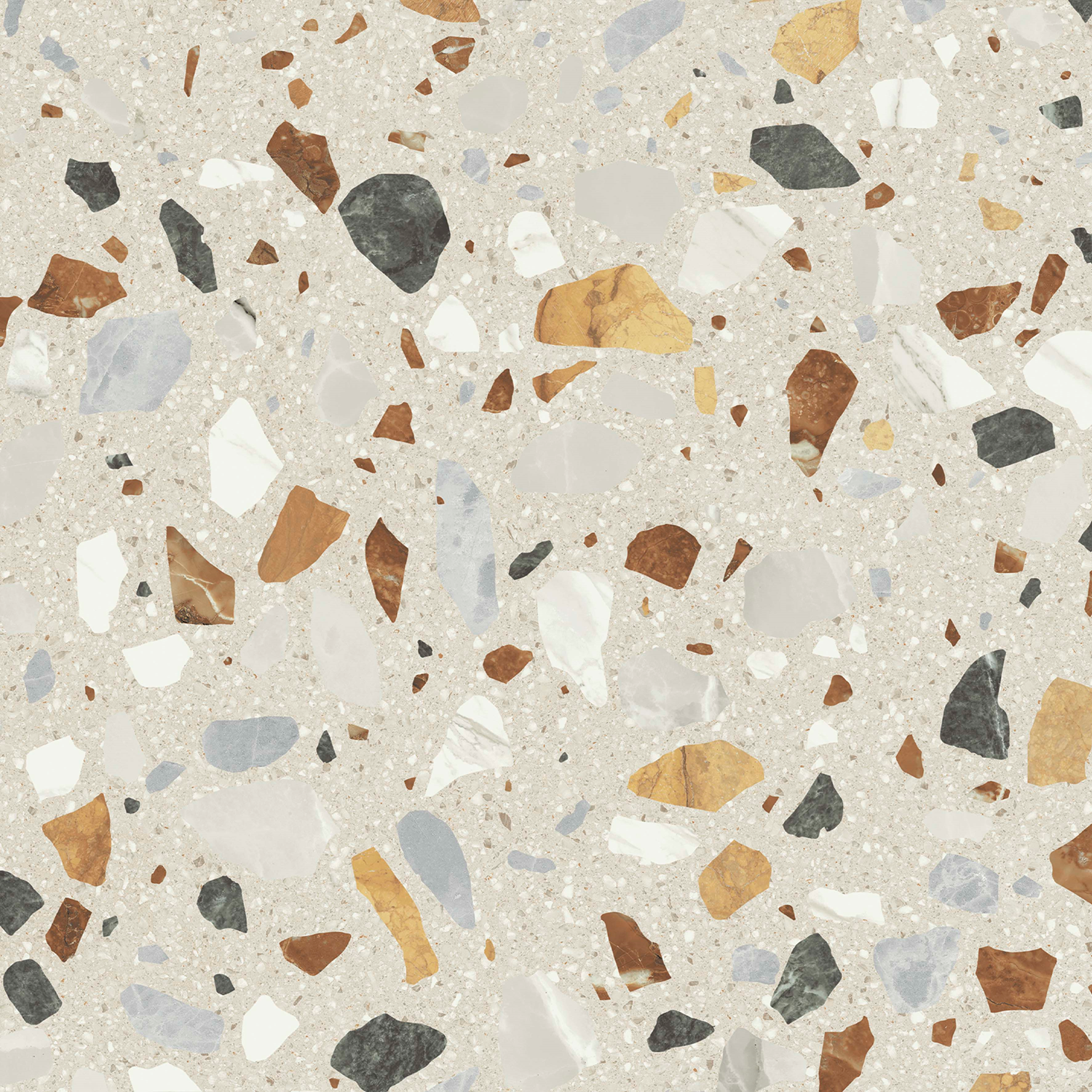
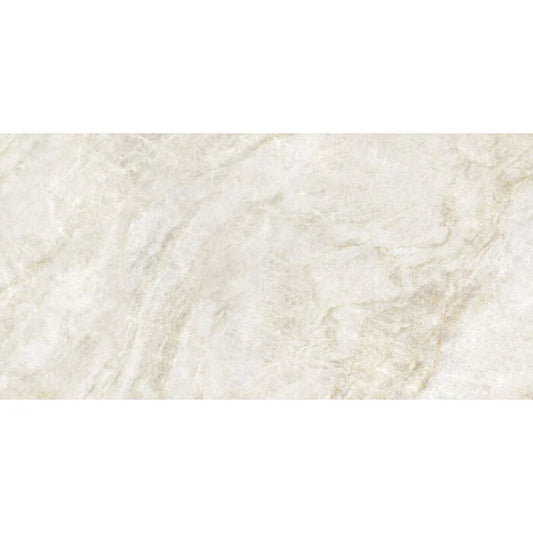
Anyone who finds that cleaning their tiled floor requires a lot of attention would do well to also consider the properties of the floor itself. Not all tiles show dust, stains, or streaks equally quickly. Dark and glossy surfaces often require more maintenance in practice than matte tiles or tiles with color variations.
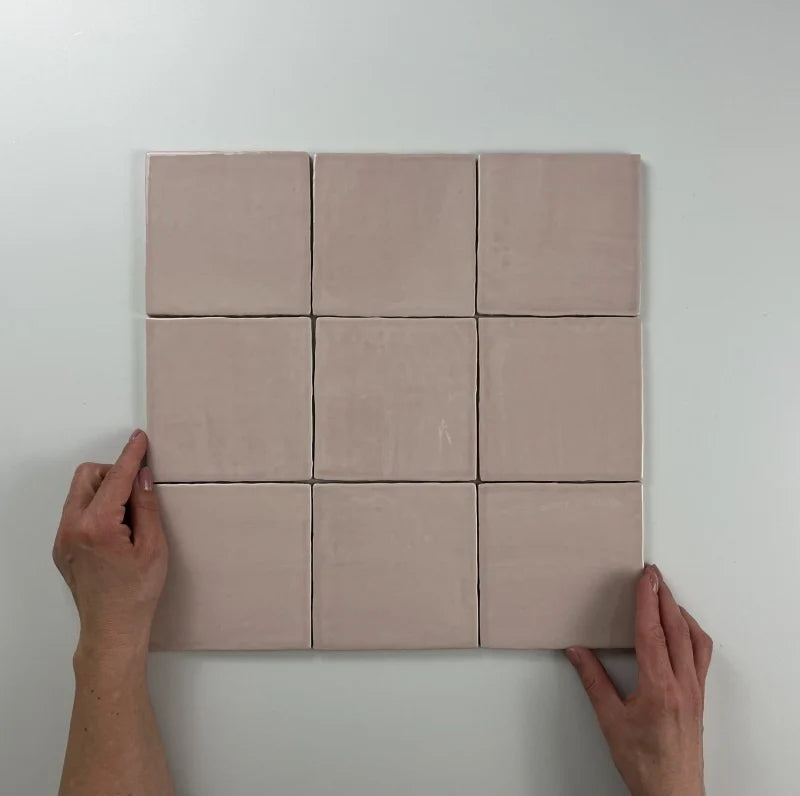
Size also plays a role; large tiles have fewer grout lines, which makes both cleaning the tiled floor and cleaning the grout easier. When choosing a new floor, it's therefore wise to not only look at the appearance but also at practical use and long-term maintenance.
The right approach
Proper floor maintenance therefore begins with a correct and consistent approach. Cleaning a tiled floor is not just about removing visible dirt, but also about preventing residues from cleaning products, streaks, and dirt in the grout. Therefore, cleaning grout is part of normal floor maintenance and not just a major cleaning. If grout is still discolored after thorough cleaning, whitening the grout can help give the floor a fresh and well-maintained appearance again.
Those who work calmly, choose the right products, and perform maintenance regularly can keep a tiled floor in good condition without much effort.


